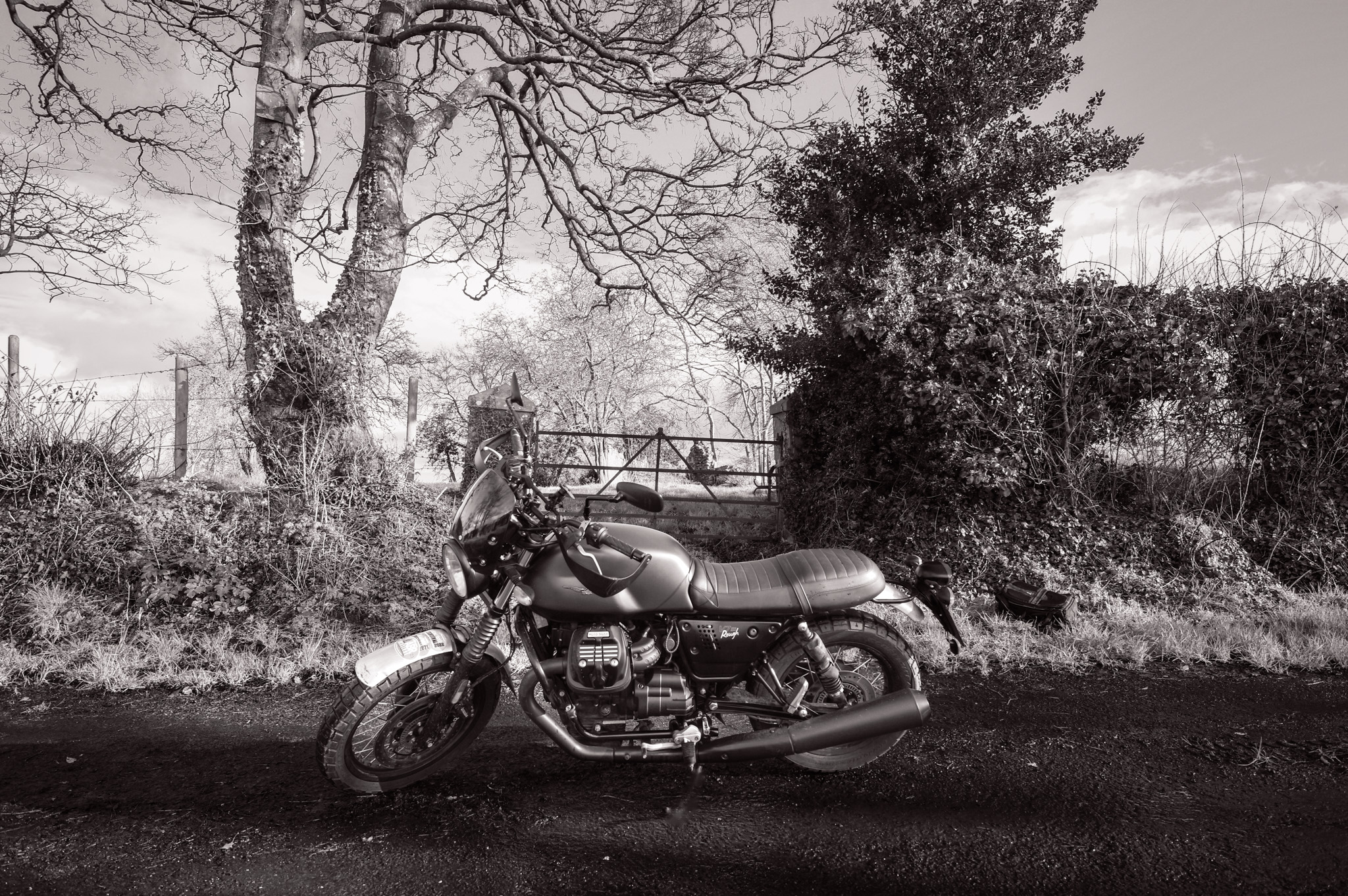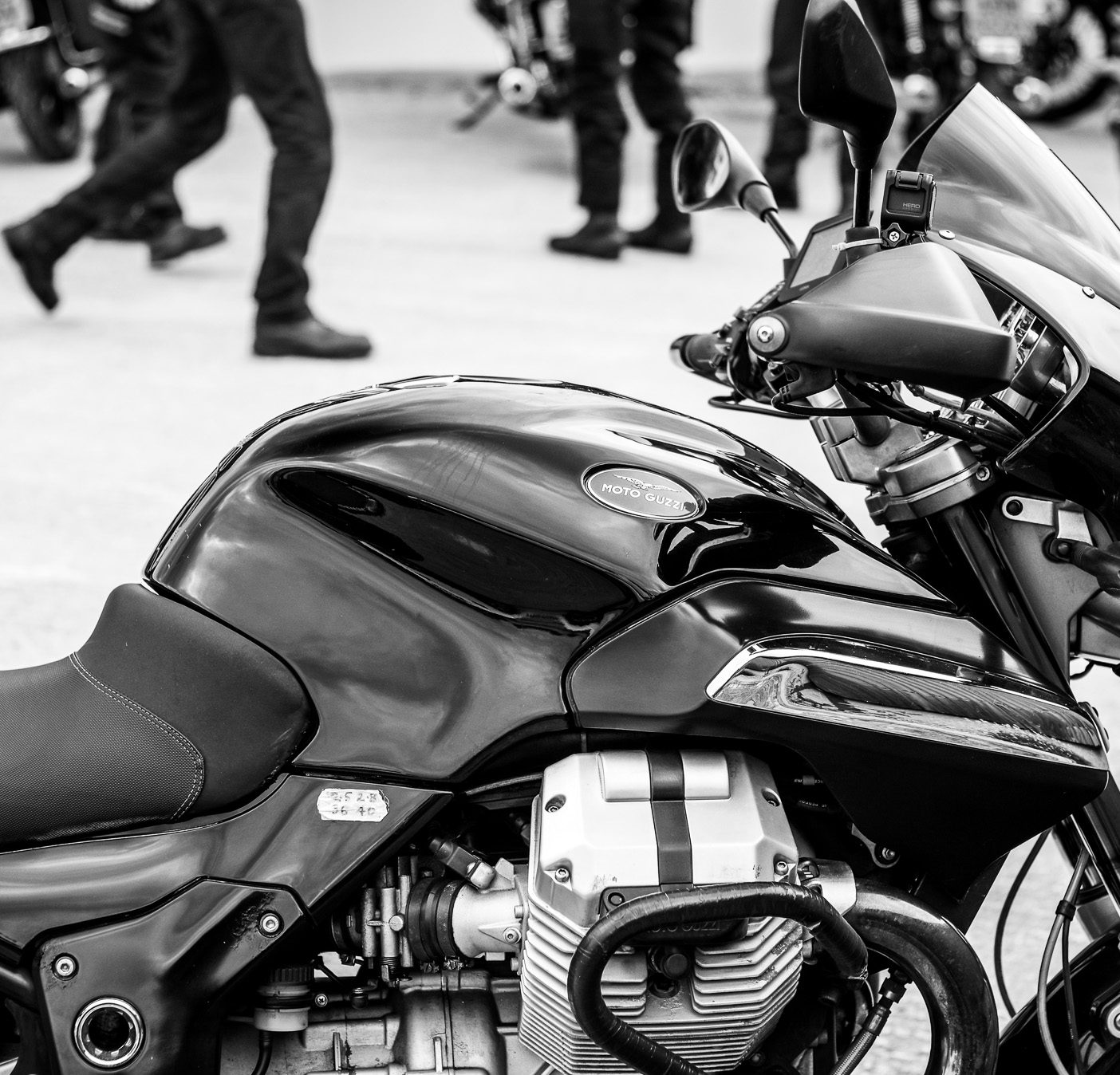
Replacement gear lever options for a V7lll or IV

Changing and tweaking a gear pedal for my V7lll 750

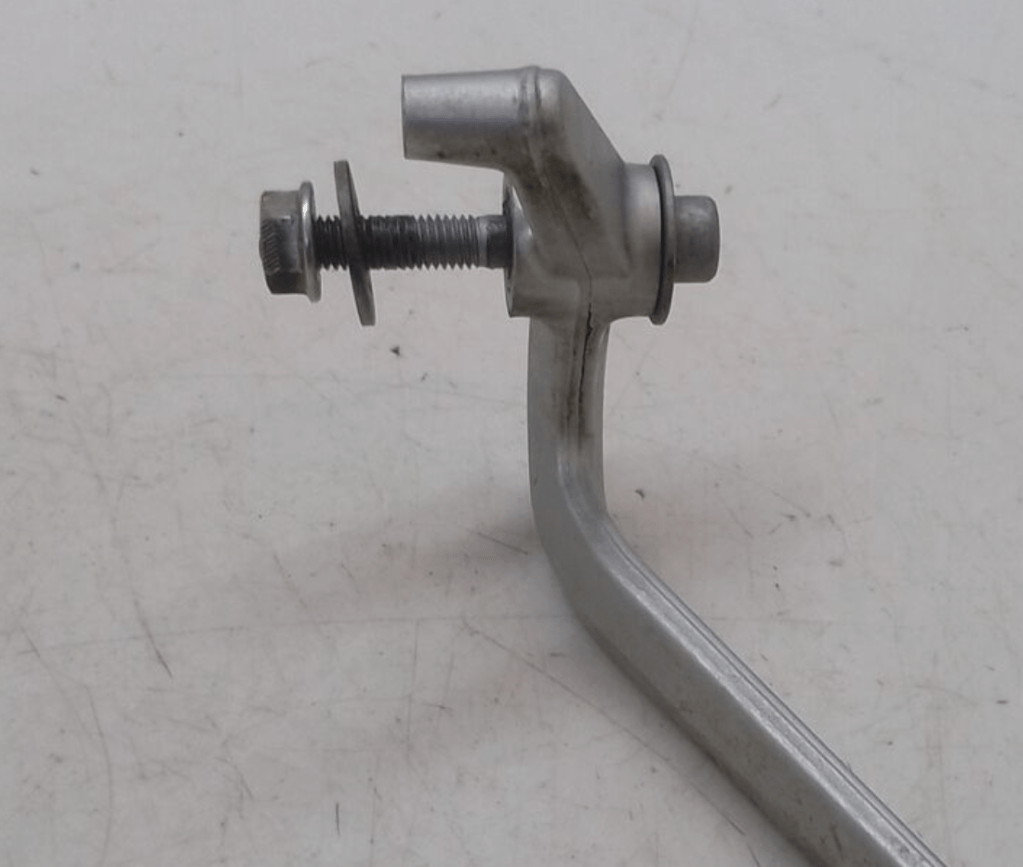
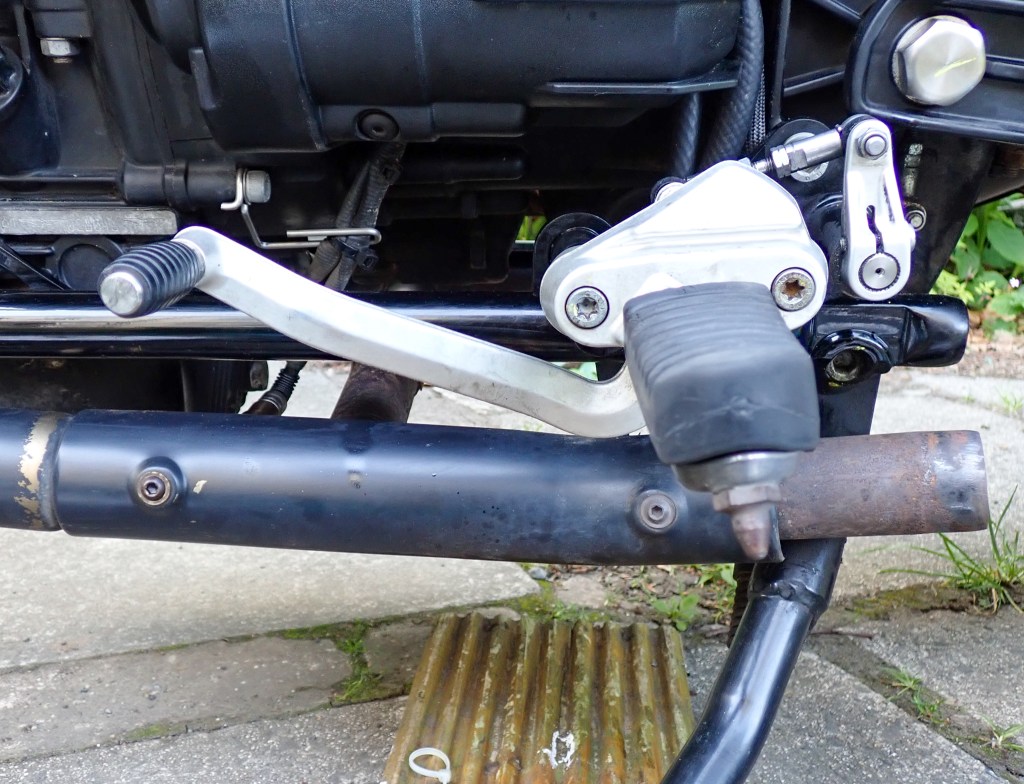
V7lll and IV right and left side foot levers, which curve under the pegs rather than over the top as earlier V7 models, are vulnerable to bending damage when bike is dropped or crashed. New levers are horribly expensive, if you can even get hold of one. Whether new, or second-hand, replacement can be confusing due to variation in part design, and alternative levers could change tie rod alignment, affecting shift quality. * See Note 1) below.

Having bent my V7lll gearchange lever, what solution is there, apart from paying around £200 and waiting weeks for delivery of a new part? Damaged levers can be somewhat corrected by bending back to shape, but I never succeeded perfectly (maybe not enough heat) and there’s fear of the alloy snapping. There are at least four, new part and modded part options for replacing or improving the V7lll 750 and the V7 850 gear pedal, maybe five if a later(?) factory-modded(?) part 2B014642(?) can be found. * See 2) below.

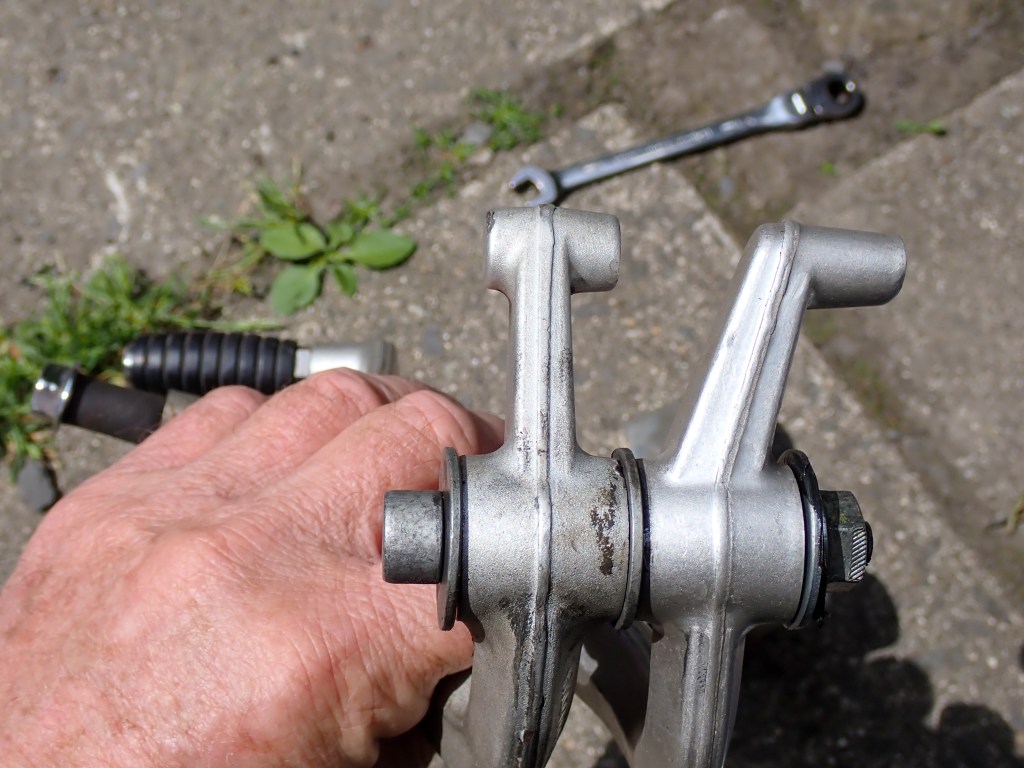
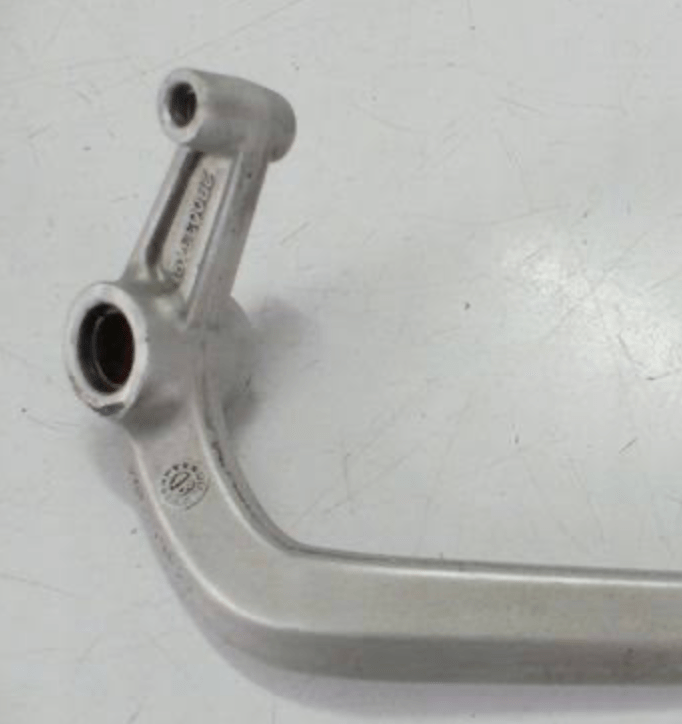
Parts suppliers’ data says the same gear lever fits all these models: V7lll 750 2017-2021, V7lV 850 2021 onwards, V9 Bobber and V9 Roamer 2017-2024, so I bought an available second-hand V9 pedal. But I found it significantly different and it would put the V7 tie rod linkage out of line. This V9 lever’s linkage-attachment post (vertical on V7) is angled inwards from the lever towards the bike, plus it also has a long, threaded boss protruding inwards, where the ball joint attaches. Using it on a V7lll makes the tie rod to splined gear arm sit out of alignment, the forward joint being moved inboard. Alignment might be ok with a forward control pedal and a long tie rod between joints (as found on some V9s and shown in V7lll parts diagrams) but it’s not good with the real-V7-world short tie rod. * See note 3). The kinked angle of the link rod, back to the splined arm, will be prone to binding and make shifting awkward. 

A smaller difference between V7 and V9 parts is lever length. The V9 pedal is very slightly longer than a V7’s: not necessarily a bad thing, as people complain about not having enough boot space under the V7 toe peg for upshifting.

With modification, shown here, a V9 gear lever is a good solution for a V7. Also, as previously described by others, a similar type of the ‘bolt-through’ part of the modification can be done to a standard V7 lever, 2B003348, to make more secure, straight-through connection to the lever post with external fastening nut. (I haven’t experienced problem with the standard closed thread arrangement). * See 4) below.

Photos below show the modification.
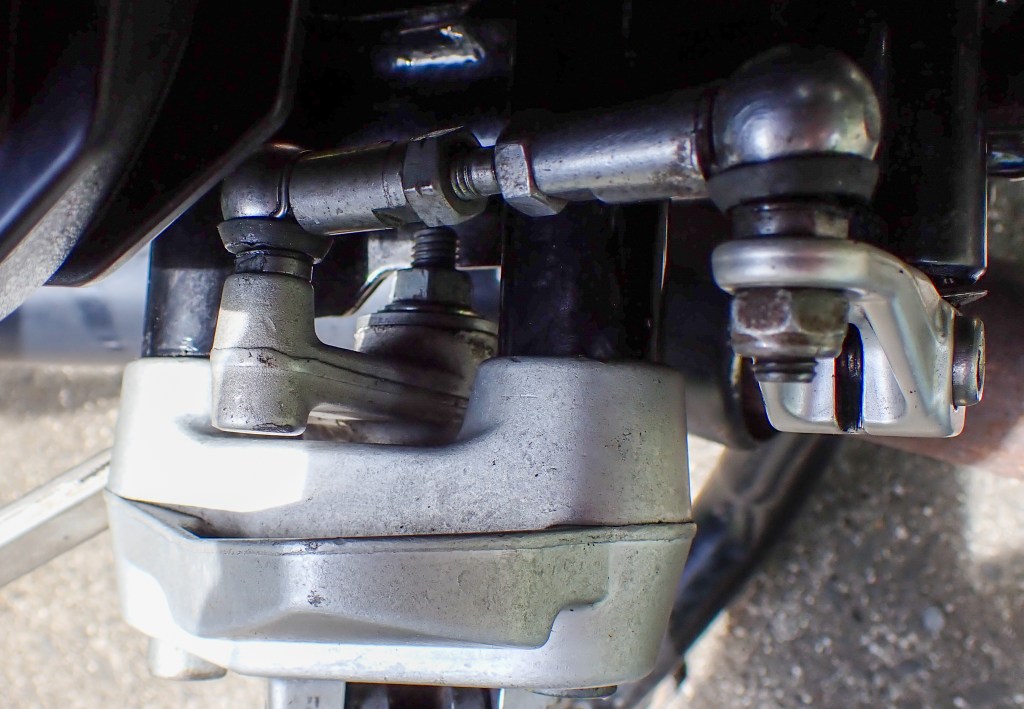
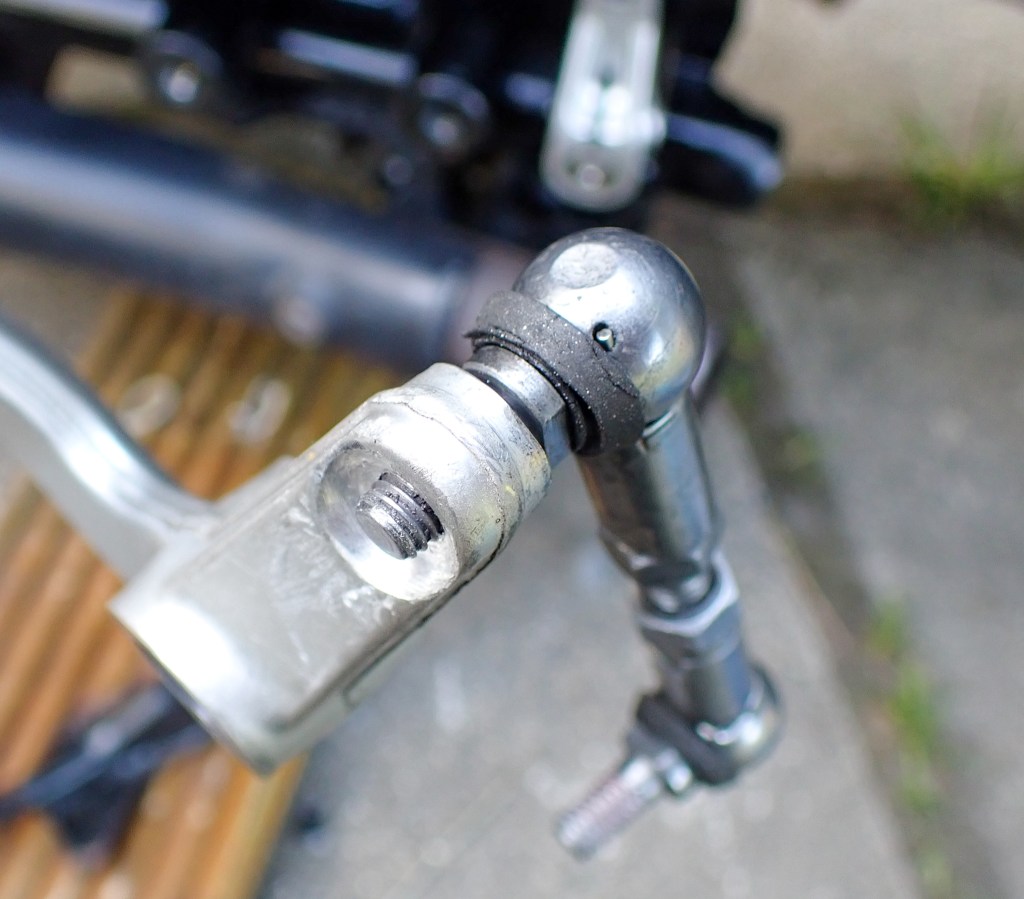
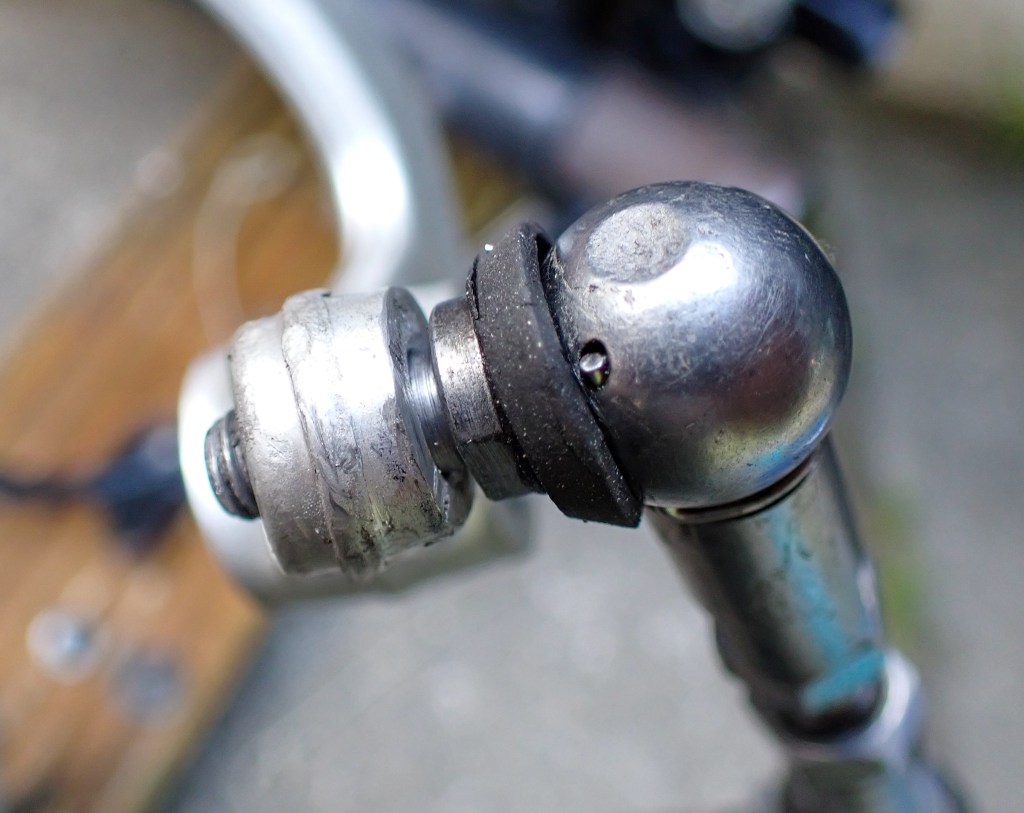
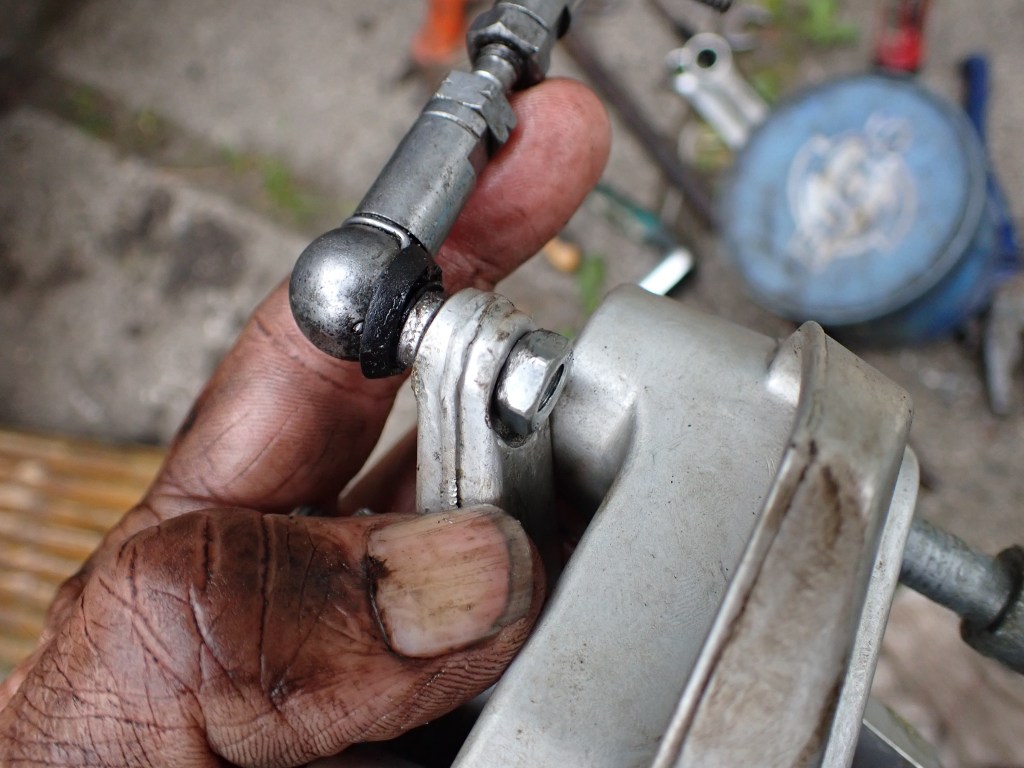
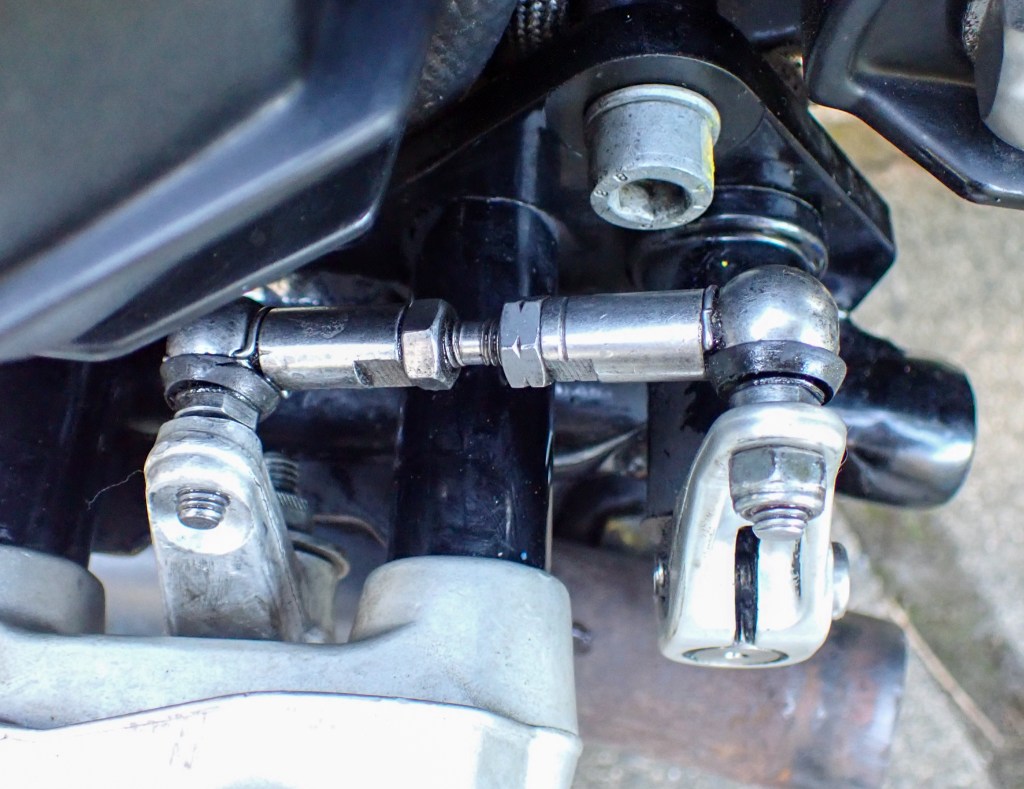
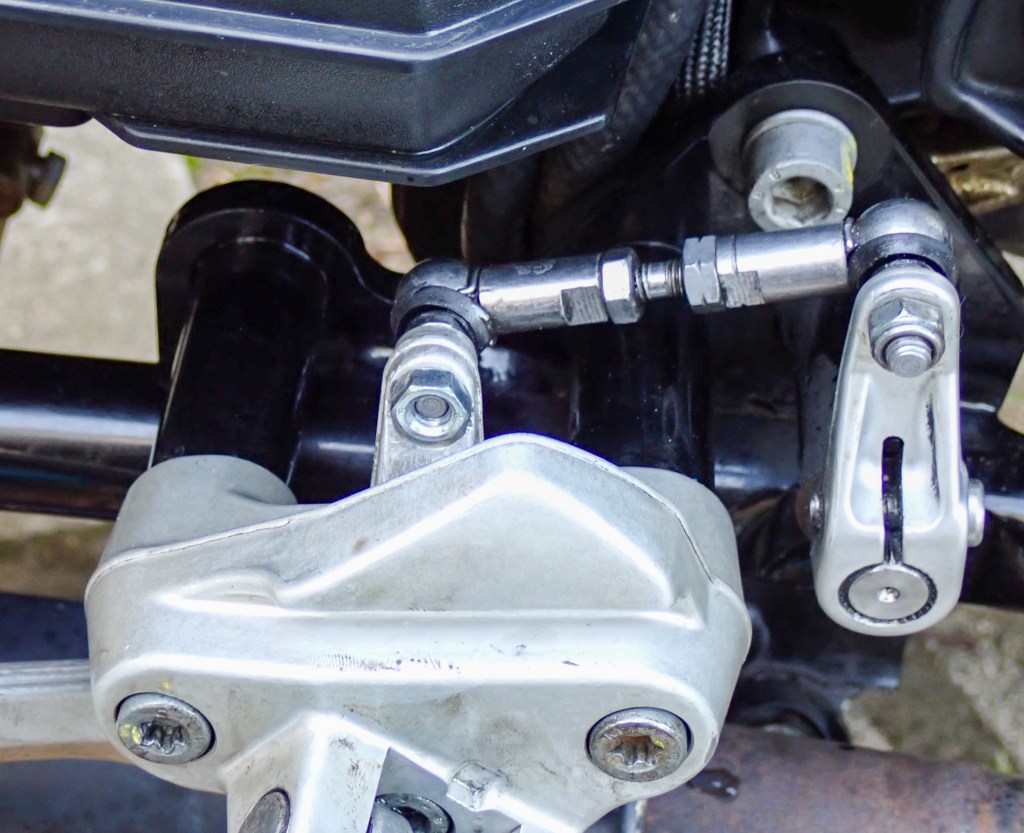
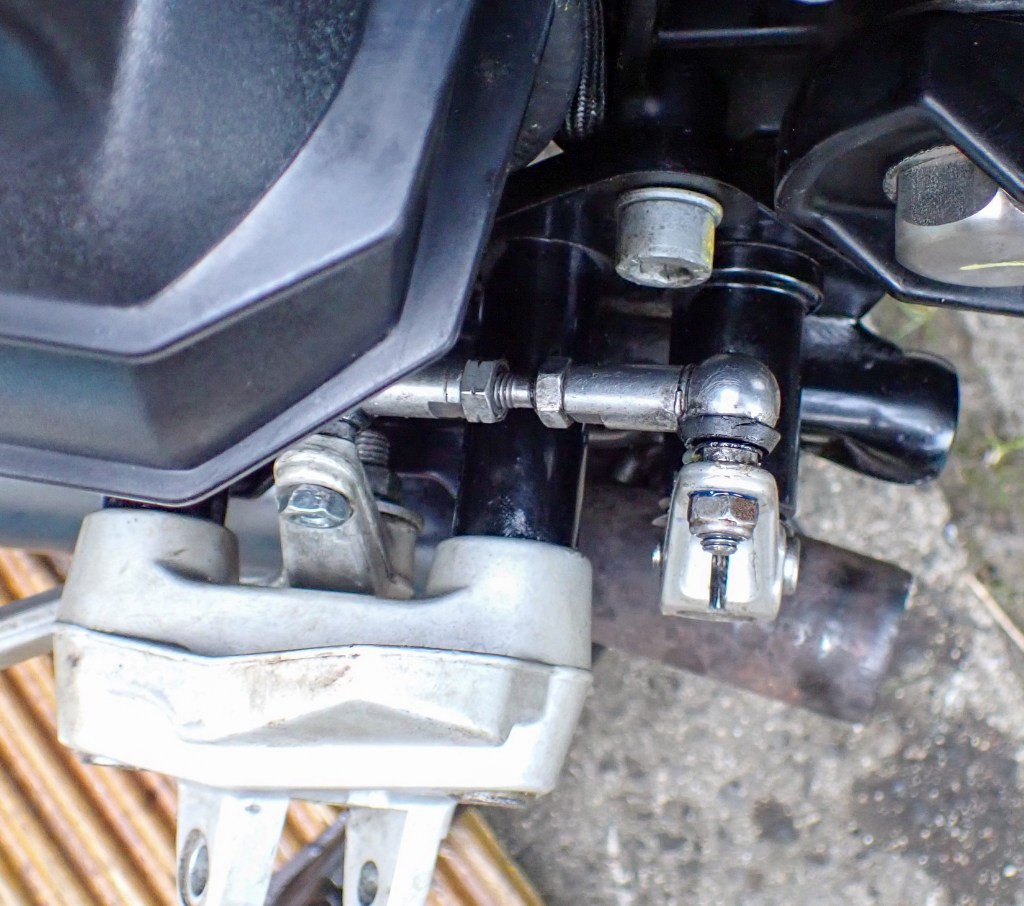
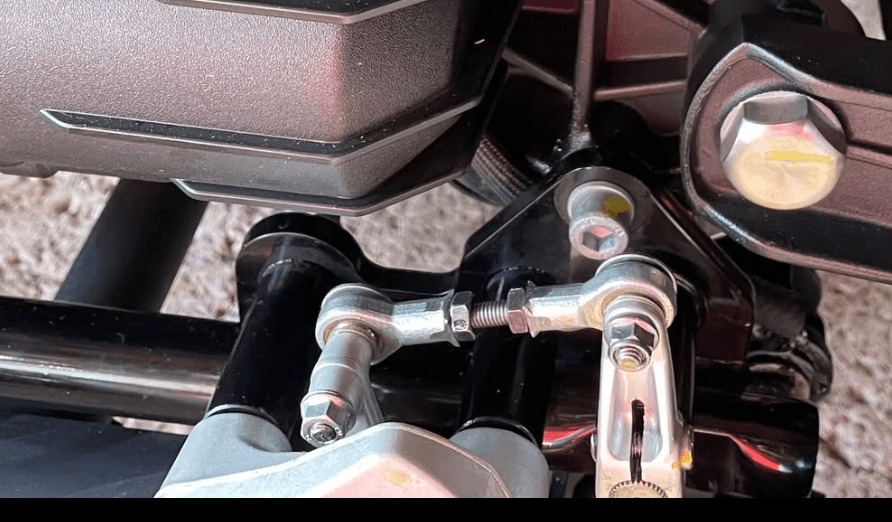
I drilled the closed end of the link-attachment post on V9 lever and tapped it, to give a straight-through, threaded hole for the ball joint’s threaded stem. The long protrusion of the threaded boss was cut off, and thickness was reduced at its outside, angled side, to fit a nut to the stem for additional security. With pedal mounted in neutral position and its link-attachment post sitting vertical from the footpeg mounting bracket, parallel to the splined shift arm it links to, the front-aft tie rod is in straight alignment between ball joints. It operates perfectly. A further job will be to fit rose joints and bolts in place of the original ball and stem parts.

* Notes. Lever design variation and maintaining good tie rod alignment for effective shifting.

1) Online listings of the well-known parts suppliers say that the one gear lever part fits all these models: V7lll 2017 – 2021, V7lV 850 2021 on, 850 V9 Bobber and V9 Roamer 2017-2024. However different models and years came with different gear lever parts and placements and so different length tie rods too. Interchanging could result in out-of-line linkage and likely bad shifting.

2) Not counting the entirely different rear set versions for V7 and V9, I see four different lever parts for V7lll and V9: numbers 2B003348, 2B003349, 2B014642, and 2B014644. I guess the 2B003348 lever (as fitted to my 2019/2020 V7lll) is most common. Some suppliers say that part is discontinued, superseded by 4644—however the supplier’s photo of the 4644 they are selling has part number 2B003349 on it, so I don’t know what 2B014644 looks like. I can’t find part 2B014644 in a search of any supplier. Otherwise, 2B003348 is ‘out of stock’. Those gear shift part numbers 2B003348, 2B003349’ B014642, 2B014644, plus modified versions with the boss drilled and/or cut short, make my ‘at least four’ options.

3) Weirdly, a Moto Guzzi parts diagram for my own 2020 V7lll bike, shows the gear lever in forward control position with long tie rod, which these bikes do not have. I have never seen a V7lll like this (maybe it’s first, early versions… or a USA thing?). What a pickle! It’s no wonder I’ve heard dealers say Piaggio-Guzzi parts referencing is a shambles.

4) The tie rod ball joint’s threaded stud can break where it screws into the shift lever post. This is an issue highlighted in forums and by Youtube commentators. In my view, this disaster can happen if the linkage hasn’t been checked and maintained: the ball joint stem unscrews, sits loosely connected, part in and part out of the gear lever, and breaks under shifting stress. Linkage fasteners need simple checking and maintenance to avoid experience of poor gear shifting, or worse, a broken part. Keep the joining parts tight, not sloppy. To make the joint attachment more secure, ball joints can be replaced with rose joints and bolts. The attachment post on gear lever, which has a closed end, is drilled through so a stronger bolt from the rose joint, with extra shaft length, is secured with an external nut to the gear lever, rather than screwed into the gear lever itself. This has been described in various online posts. Moto Guzzi perhaps adopted the ‘through bolt’ modification on later bikes (later 850 V7s?). I think I read about it in a forum and I do see a photo of a used shift lever with plain, vertical attachment post, no threaded boss, simply a bolt hole. I cannot find this lever online at any new parts supplier though, and I wonder if the photo is a part modified by a user who removed the threaded boss. Still, it does have a mysterious new number on it and I do think I have seen reference to this factory change on lever-linkage attachment: can anyone confirm?

Photos:
-2B003348 standard lever 
-2B003348 standard lever, closed end boss
-V9 lever, inward angled, extended, closed end boss 
-2B014642, late factory or user modded?
-V7 and V9 linkage posts
-standard linkage, closed threaded boss on gear lever post
-V9 lever post, inside boss cut off, outside hollowed for nut
-V9 lever mod
-cut post, aligned rod
-cut post, aligned rod, securing nut on threaded ball joint shaft
-vertical arms aligned, tie rod aligned
-modifieded V9 lever on V7
-John Auchterlonie’s modded 2B003348
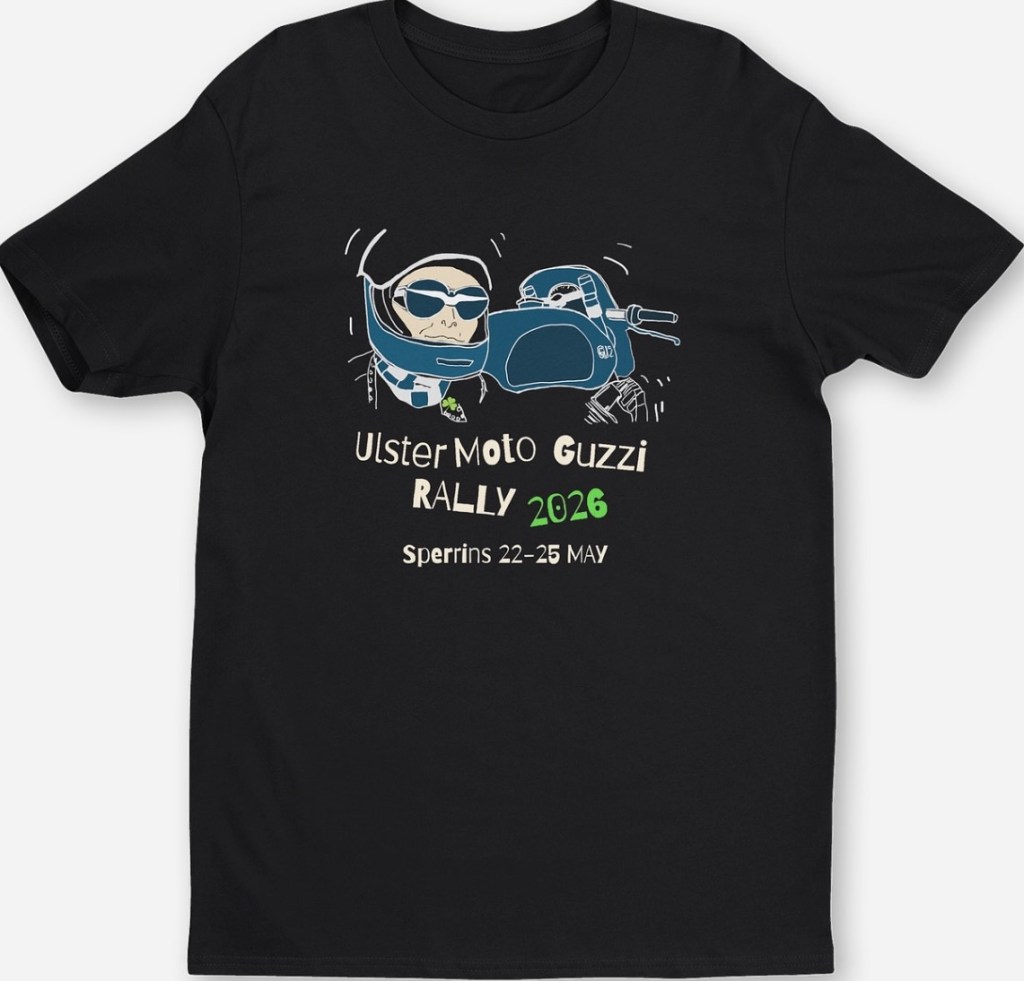
2026 Rally T shirt

2026 T shirt printing is in production. T shirt cost is £17 paid to the Rally Revolut account or cash can be taken at the next couple of NI meets.

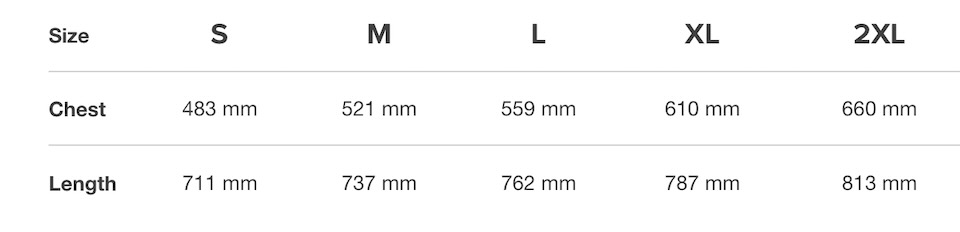
Sizes:
See chart below, which gives size across chest.
To check size availability and order:
I guessed numbers and sizes, based on last year’s numbers… this print lot will be allocated as requests are received. Please email: belfastguzzi@gmail.com or message on social media to give the size(s) you want and check availability. There are plenty of L and XL sizes. An additional print order can be made if more sizes are needed.

Sizes


Pay giving your name and reference ‘T shirt’ with the size you want.
Click button for bank account details:

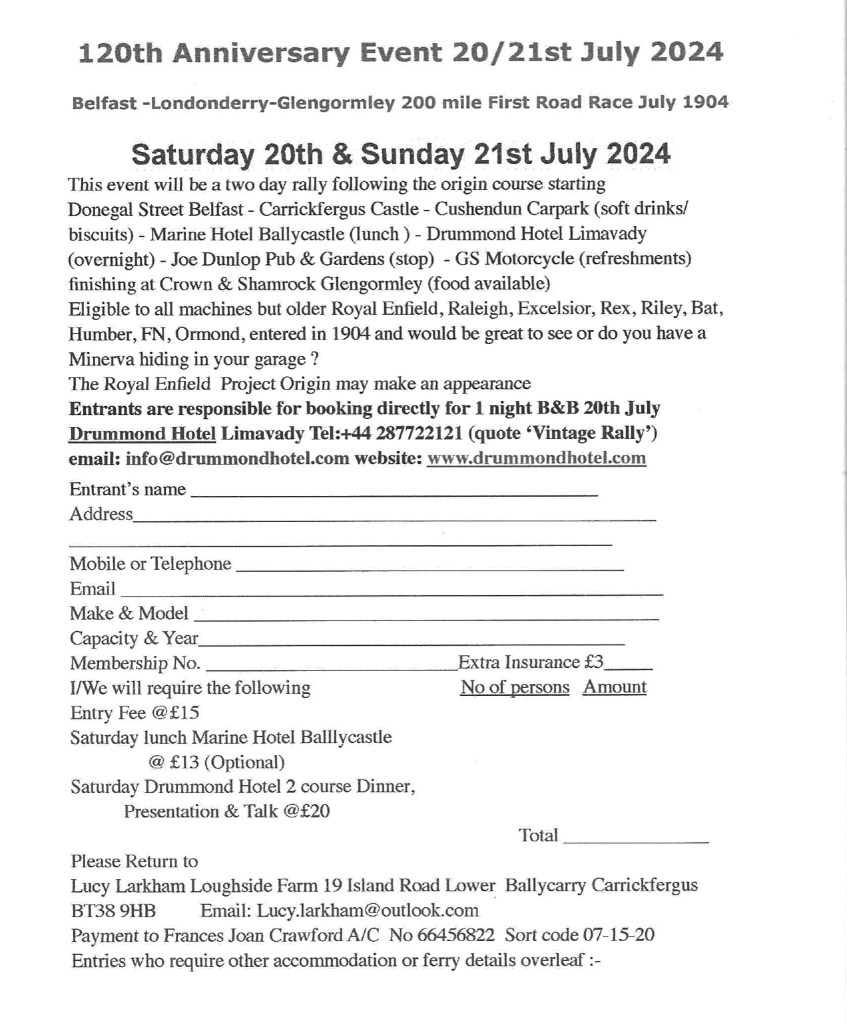
The First Motorcycle Road Race in Ireland, 19 July 1904–and–120th Anniversary Event, July 2024

200 miles Belfast-Londonderry-Glengormley

I am grateful to Joan Crawford who kindly supplied all the information used to produce this blog article, from her reports and collection of records. 

Contemporary records of this landmark event have been lost. There are only short paragraph reports in the Belfast Newsletter, and in the Irish News And Belfast Morning News, next-day on Wednesday, 20 July 1904.

29 June 1904
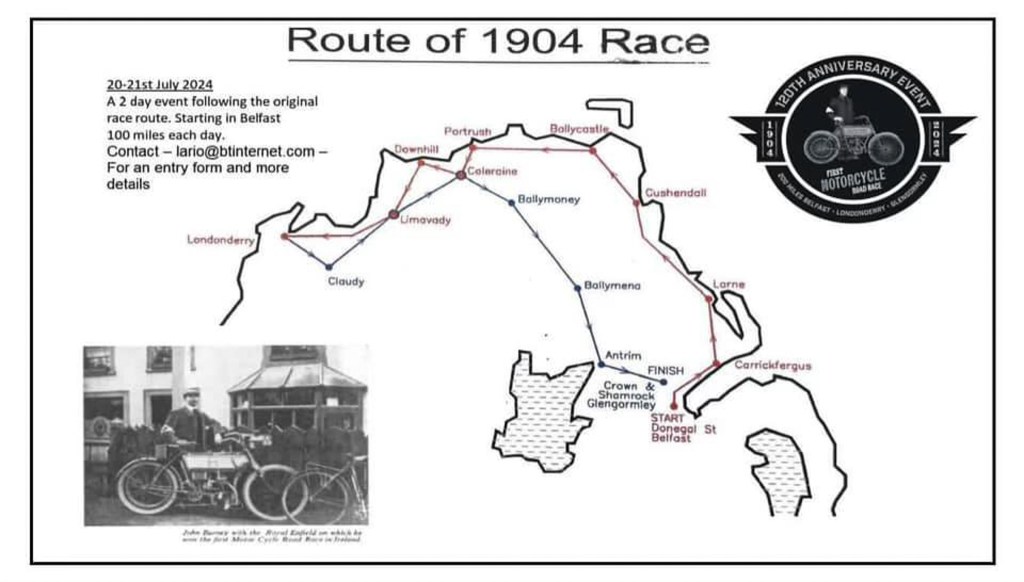
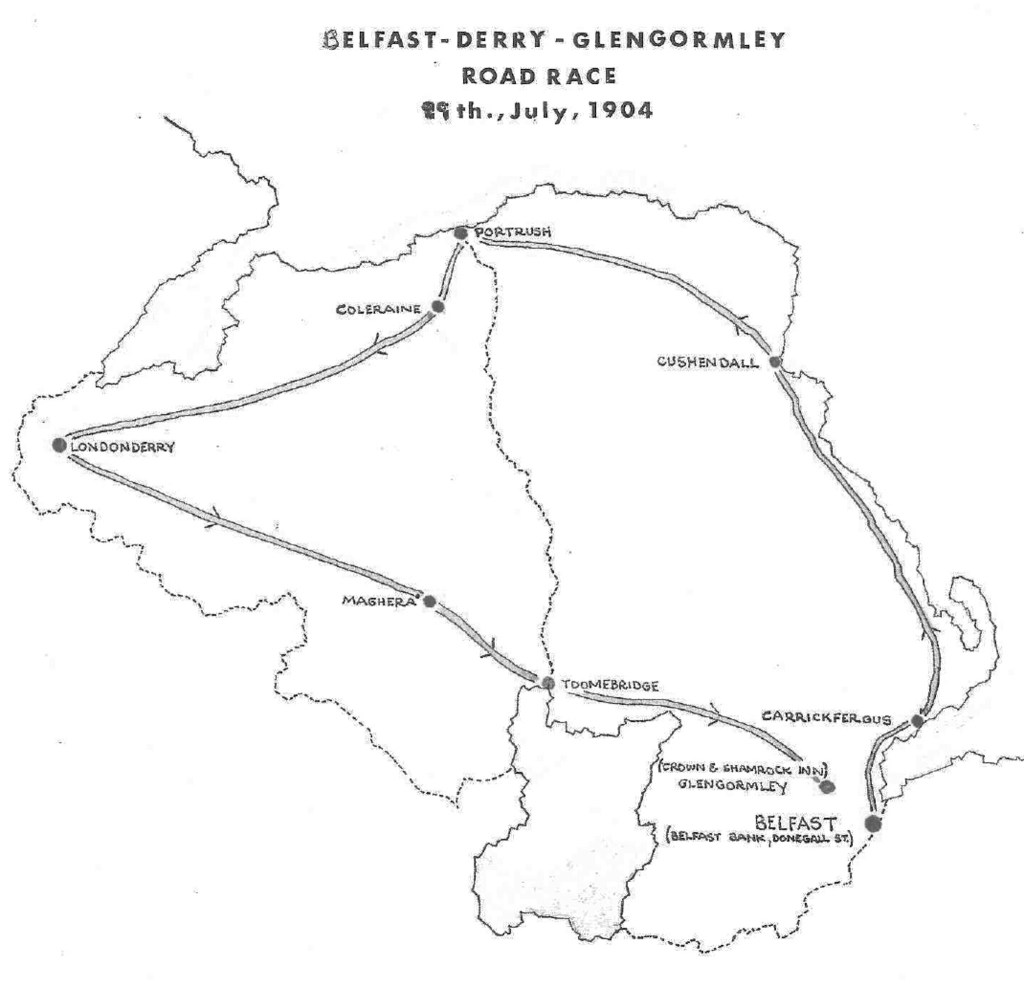
The Ulster Notes of the Irish Cyclist & Motor Cyclist, June 29th 1904 briefly mentioned an event: ‘The 200 mile course selected is to be via the Coast Road to Londonderry, returning via Claudy, Limavady, Coleraine and Ballymena and finishing about six miles from Belfast. Start will be made at 6.30am, finish is timed to take place not later than 4.30pm. There will be no restrictions as to how may stops any competitor may have this is left to his own discretion. The run will be a very severe test for both man and machine, and should be a grand criterion by which to judge the capabilities of the various machines entered.’

20 July 1904
The Irish News And Belfast Morning News on July 20th 1904, the next day after the race, gave the route for the run as, ‘via Carrickfergus, Larne, Cushendall, Ballycastle, Portrush, Coleraine, Downhill, Limavady, Londonderry, and back to Coleraine by the same route, thence to Ballymoney, Ballymena, Antrim and finish at The Crown and Shamrock Inn, Carnmoney, exactly 208.75 miles over a course calculated to test to the utmost the reliability of the machines. It abounds in almost every variety of surfaces, and the grind uphill from Cushendall for eight miles is succeeded by a similar length of run downhill to Ballycastle.’ 

26 October 1927
The text content of this blog is copied and adapted mostly from an article printed in the Irish Cyclist & Motor Cyclist, October 26, 1927. That account was compiled from a write-up by P.S. Brady in the Belfast and District’s programme for the Carrowdore race and other memories, supplemented by race winner, J.P. Burney. 

1948
The Royal Enfield Club Magazine, Winter 1948-49, contained an article on Enfield in Eire and the Burney family. John P Burney was born in 1875 in Hightown near Belfast. In the 1890s he was a well-known cycle racer and in 1902 the champion cyclist joined the Enfield Cycle Company as Irish Representative. The magazine article includes a short paragraph on the 1904 motorcycle race: ‘In 1904 [JP Burney] entered a belt-driven Royal Enfield in a reliability trial from Belfast to Londonderry and back. At the start competitors were informed that the first rider to finish would be the winner. John Burney brought the Enfield home 45 minutes before the next man and thus can claim to have won the first Motor Cycle Road Race ever to have been held in Ireland.’

July 2004
David Crawford, being a motorcycling historian, realised the significance of 2004 as the 100-year anniversary of the road race and decided that he and Joan should do something to mark the special event. They organised an anniversary rally over the same route, on the very date, 100 years on. They invited JP Burney’s grandchildren, who attended – and the great grandchildren rode the course: they were on the only modern machines, as that event was for pre-1939 bikes. Late last year, Burney’s great granddaughter asked David and Joan to organise another anniversary event… which brings us to the July 2024 120th Anniversary Rally! (This time open to bikes of any age.)

For 2004’s special event, Joan Crawford wrote a report derived from the earlier press and articles. Joan’s work has been the reference for this blog – all the information here is derived from her research.

The Irish Motor Cycle Union 200 Miles Reliability Trial – or in straight talk: 200 Miles Race

19th July 1904
Belfast – Londonderry – Glengormley

In 1921 the Temple Motor Cycle Club claimed the honour of having organised the first road race ever held in Ireland, as road races are understood nowadays they are entitled to that honour. To the Motor Cycle Union of Ireland, Ulster Centre however belongs the credit of having held the first road race of any description.

The Centre, founded in 1902 had experienced some racing at the Glentoran track as well as hill climbs but a road race was what was wanted. The famous run of 1904 was for diplomacy sake, styled as a reliability trial, but the riders were under no misapprehension – as Mr Brady remarked, “A rose by any other name would smell so sweet.” 

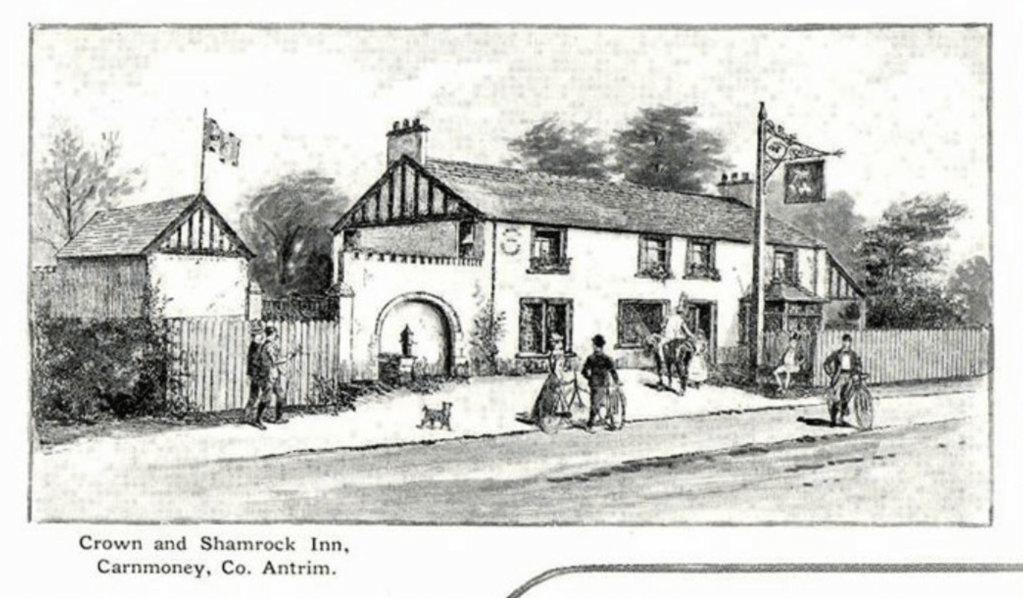
The Committee of the Ulster Centre of the Motor Cycle Union of Ireland decided to organise and run Ireland’s first motor cycle road race in July 1904. The race was approx. 200 miles: Belfast to Londonderry via Larne and the Antrim Coast, returning by inland route and finishing at the Crown and Shamrock Inn, Glengormley, a suberb of North Belfast. But how to run a race on public roads? It would be illegal, surely, especially over 200 miles? The solution was that it would be arranged as a ‘trial’ event, for which the help of the police would not be required. The riders of the day knew what the ‘trial’ required of them – first man home was the winner.

Race Entries

There may have been 17 entries, though there is also mention of “about 30 competitors” and the Newsletter said “exactly 15 riders assembled at 6 o’clock yesterday morning – and an hour later they were dispatched”. Apparently there were three were non-starters.

Recorded entries:
A Parker                       Minerva
H Cooke                       Raleigh
J Stewart                     Humber Centaur
AW Hamilton              F.N.
RW Ireton                    Riley
JP Burney                    Royal Enfield
JB Ferguson               Excelsior
B Robb                         Rex
RG Wilkinson
R McGahey
John McFerran
James McFerran
W McStay
T Ireland
T Mallon
Other machines: Bat, Ormonde

The Race

At 6am on 19th July 1904, competitors gathered and started together from the Belfast Banking Company’s premises, the Stock Exchange, Donegall Street. The course was from Belfast to Derry, via Cushendall, Ballycastle and Coleraine. Before Carrickfergus was reached, tool bags, spares, inflators, silencers were rattled off the machines over roads that many today would regard as ‘trials going’ and covered with dust instead of tar. Nobody fully realised that reliability is the first essential in touring or racing. The race showed that the early machines – engines under-powered and over-geared, with rigid forks and a poor standard of reliability – were far too flimsy. Alexander Parker, on a fast continental Minerva, used for track racing and pace-making on the cycle tracks, led the field for the first 50 miles at a cracking pace, but was obliged to retire beyond Cushendall having lost all his petrol with a split tank. Petrol stockists were few and far between at that time. This let Larry Crooks, of Ballymena, on a Raleigh, into the lead, but he also retired off Portrush with trouble in the sparks department. Jimmy Stewart, on a Humber Centaur, retired with a broken steering post. A.W. Hamilton on a four-cylinder F.N. ran off the road at a corner near Coleraine and went over a fence, making some ‘alterations to his machine’.

John Burney on a Royal Enfield was content to allow others to pass him in the early stages, then began to unleash the horses from Ballycastle onwards and was first to reach Derry, 20 minutes in the lead. Next to arrive was J.B. Ferguson on an Excelsior, followed later by Bertie Robb on a Rex. Despite Ferguson’s efforts on leaving Derry to cut down the lead by taking a circular route to Maghera, he was in difficulties near Toomebridge.

Finishers

Burney finished at the Crown and Shamrock Inn near Glengormley 30 minutes (or 45 minutes?) in front. Ferguson arrived second and Robb third, there were two other finishers. Places seem uncertain: It is also reported that ‘third was Harry Cooke’ and ‘Bertie Robb aboard a Rex, who had seven punctures on the day, came in fourth.’ Judging by the appearance of riders and machines at the finish it had been “an arduous day”, as a spectator commented.
1st        J. P. Burney                  3.5hp Royal Enfield
2nd       J.B. Ferguson              2.75 hp Excelsior
3rd        B. Robb                        Rex
3rd (in Irish News report) H.Cooke                       3 hp Raleigh

Winner, JP Burney, at the Crown and Shamrock Inn finish:

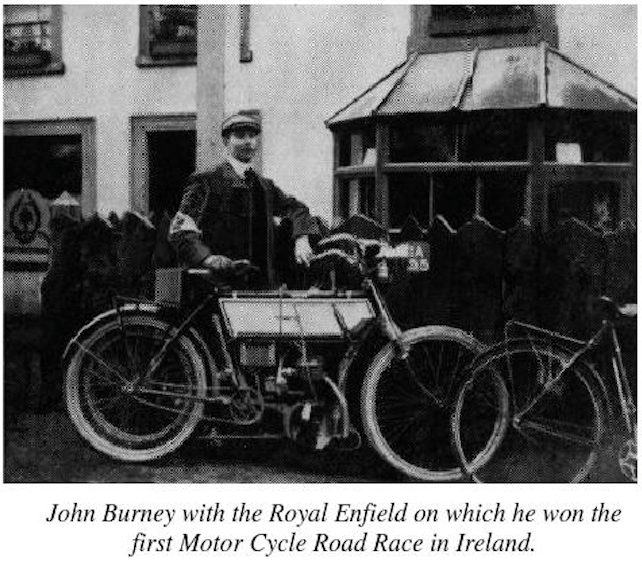
Photograph (above) taken at the race end, after JP had removed his overalls. The Royal Enfield had rigid forks, belt drive, ordinary cycle saddle and single gear. Burney thinks that he averaged much more than 20mph. On the Saturday before the race he broke his crank axle and was deprived of pedalling gear. He and Bob Ireton made a repair at Ireton’s motorcycle shop in Bedford Street for the race day – though as it happens JP did not find it necessary to use the pedalling gear during the race. The 3½ HP machine was running beautifully at the finish. After the race the winning machine was on view in Messrs. Burney and Co.’s window at 104 Ann Street.

The premier award was a handsome trophy presented by Joseph the Marquis de Mouzilly St Mars, who was a friend of the president of the Ulster Centre. The Marquis was President of the Federation Internationale de Motocyclisme in 1905-1906 and he donated the coveted winged Mercury trophy to the Isle of Man T.T. in 1907.

Burney moved to Dublin to represent the Enfield Cycle Co. for Ireland until his death in 1949. His son Gordon, also a very well-known competitor, married the only sister of Stanley Woods and afterwards the company was known as Stanley Woods and Burney, of Pearse Street, Dublin.

The First Motorcycle Road Race in Ireland, 120th Anniversary Event, 20 & 21 July 2024

On 20-21 July 2024
A two-day rally, following (almost) the original course of 200 miles

Itinerary:
Saturday 20th July
Start Donegall Street, Belfast
Carrickfergus Castle
Cushendun Carpark (soft drinks & biscuits)
Marine Hotel Ballycastle (lunch)
Coleraine
Londonderry
Drummond Hotel Limavady (overnight)

Sunday 21st July
Joey Dunlop Pub & Gardens (stop)
GS Motorcycles (refreshments)
The Crown & Shamrock Inn, Glengormley (food available)

1901 ‘Origin’ first RE:1 1/2 hp engine is mounted in front of the steering head and the rear wheel driven by a long rawhide belt.

See movie below of a 1904 3 1/2 hp Minerva R.E.

This event is open to all machines but older Royal Enfield, Raleigh, Excelsior, FN, Humber, Centaur, Riley or Minerva are specially welcome! The Royal Enfield Project Origin may make an appearance and possibly a 1904 R. E. (tbc). JP Burney’s great grandchildren, who rode in the 2004 event, will be on Royal Enfields. Special finishers awards will be presented.

This was the 2004, 100yr Anniversary Event award:

Booking Form

All bikes are eligible to participate

For more details and booking form, contact lario@btinternet.com
Copies of Entry Form below:

May 2024

Scottish Rally 3-5 May

Scottish Rally 3-5 May. A couple of attendees travelled from NI along with one from South. Photos here (to be added tonight).

2nd Wednesday Meet

Wednesday 8th May, 6.30 / 7pm @ Tim Hortons at The Junction, Antrim. 111 Ballymena Road, Antrim, BT41 4LL. M22 / M2 Junction 1

2nd Sunday Meet

Sunday 12th May, details to be confirmed – this month is very busy. Likely to be same place, same time… 11.30am at Lough Road Park & Ride BT66 6NQ off M1 then the main 12 noon location: Lough Neagh Discovery Centre, Oxford Island, BT66 6NJ.

4th Sunday Meet

None unless someone wants to arrange something: this Sunday 26th May, is in the Ulster Rally dates.

Ulster Rally, 24-27 May

Details on the website here. If you are thinking of going but haven’t booked yet, do it asap!

April 2024

NI GUZZIs NEWS
Evening meets start again for 2024.

Second Wednesday evening meet 10th April 

Sunday rides over the past while have been south or west of Belfast: we’ll have April’s ‘2nd Wednesday’ north of Belfast. 
7PM Meet at Tim Hortons at The Junction, Antrim. 111 Ballymena Road, Antrim, BT41 4LL. Junction 1 of M22 / M2

Second Sunday, 14th

 Location tbc after the Wednesday meet, when we’ll discuss it. There are various places waiting on the Sunday Meet & Ride list:
Lough Road Park & Ride then Curr Road Centra, Beragh, as before; or Aughnacloy and into Co Monaghan; or Lisnaskea, Sperrins, Binevenagh, or Antrim Coast & Glens. 

___________________

MAY

2nd Wednesday meet is 8th May

2nd Sunday meet is 12th May

and the Moto Guzzi Ulster Rally is 24 to 27 May!

The First Motorcycle Road Race in Ireland, 19 July 1904 – and – 120th Anniversary Event, July 2024

200 miles Belfast-Londonderry-Glengormley

I am grateful to Joan Crawford who kindly supplied information from her own reports and collection of records. 

Contemporary records of this landmark event have been lost. There are only short paragraph reports in the Belfast Newsletter, and in the Irish News And Belfast Morning News, next-day on Wednesday, 20 July 1904.

29 June 1904
The Ulster Notes of the Irish Cyclist & Motor Cyclist, June 29th 1904 briefly mentioned an event: ‘The 200 mile course selected is to be via the Coast Road to Londonderry, returning via Claudy, Limavady, Coleraine and Ballymena and finishing about six miles from Belfast. Start will be made at 6.30am, finish is timed to take place not later than 4.30pm. There will be no restrictions as to how may stops any competitor may have this is left to his own discretion. The run will be a very severe test for both man and machine, and should be a grand criterion by which to judge the capabilities of the various machines entered.’

20 July 1904
The Irish News And Belfast Morning News on July 20th 1904, the next day after the race, gave the route for the run as, ‘via Carrickfergus, Larne, Cushendall, Ballycastle, Portrush, Coleraine, Downhill, Limavady, Londonderry, and back to Coleraine by the same route, thence to Ballymoney, Ballymena, Antrim and finish at The Crown and Shamrock Inn, Carnmoney, exactly 208.75 miles over a course calculated to test to the utmost the reliability of the machines. It abounds in almost every variety of surfaces, and the grind uphill from Cushendall for eight miles is succeeded by a similar length of run downhill to Ballycastle.’ 

26 October 1927
The text content of this blog is copied and adapted mostly from an article printed in the Irish Cyclist & Motor Cyclist, October 26, 1927. That account was compiled from a write-up by P.S. Brady in the Belfast and District’s programme for the Carrowdore race and other memories, supplemented by race winner, J.P. Burney. 

1948
The Royal Enfield Club Magazine, Winter 1948-49, contained an article on Enfield in Eire and the Burney family. John P Burney was born in 1875 in Hightown near Belfast. In the 1890s he was a well-known cycle racer and in 1902 the champion cyclist joined the Enfield Cycle Company as Irish Representative. The magazine article includes a short paragraph on the 1904 motorcycle race: ‘In 1904 [JP Burney] entered a belt-driven Royal Enfield in a reliability trial from Belfast to Londonderry and back. At the start competitors were informed that the first rider to finish would be the winner. John Burney brought the Enfield home 45 minutes before the next man and thus can claim to have won the first Motor Cycle Road Race ever to have been held in Ireland.’

July 2004
David Crawford, being a motorcycling historian, realised the significance of 2004 as the 100-year anniversary of the road race and decided that he and Joan should do something to mark the special event. They organised an anniversary rally over the same route, on the very date, 100 years on. They invited JP Burney’s grandchildren, who attended – and the great grandchildren rode the course: they were on the only modern machines, as that event was for pre-1939 bikes. Late last year, Burney’s great granddaughter asked David and Joan to organise another anniversary event… which brings us to the July 2024 120th Anniversary Rally! (This time open to bikes of any age.)

For 2004’s special event, Joan Crawford wrote a report derived from the earlier press and articles. Joan’s work has been the reference for this blog – all the information here is derived from her research.

The Irish Motor Cycle Union 200 Miles Reliability Trial – or in straight talk: 200 Miles Race

19th July 1904
Belfast – Londonderry – Glengormley

In 1921 the Temple Motor Cycle Club claimed the honour of having organised the first road race ever held in Ireland, as road races are understood nowadays they are entitled to that honour. To the Motor Cycle Union of Ireland, Ulster Centre however belongs the credit of having held the first road race of any description.

The Centre, founded in 1902 had experienced some racing at the Glentoran track as well as hill climbs but a road race was what was wanted. The famous run of 1904 was for diplomacy sake, styled as a reliability trial, but the riders were under no misapprehension – as Mr Brady remarked, “A rose by any other name would smell so sweet.” 

The Committee of the Ulster Centre of the Motor Cycle Union of Ireland decided to organise and run Ireland’s first motor cycle road race in July 1904. The race was approx. 200 miles: Belfast to Londonderry via Larne and the Antrim Coast, returning by inland route and finishing at the Crown and Shamrock Inn, Glengormley, a suberb of North Belfast. But how to run a race on public roads? It would be illegal, surely, especially over 200 miles? The solution was that it would be arranged as a ‘trial’ event, for which the help of the police would not be required. The riders of the day knew what the ‘trial’ required of them – first man home was the winner.

Race Entries

There may have been 17 entries, though there is also mention of “about 30 competitors” and the Newsletter said “exactly 15 riders assembled at 6 o’clock yesterday morning – and an hour later they were dispatched”. Apparently there were three were non-starters.

Recorded entries:
A Parker                       Minerva
H Cooke                       Raleigh
J Stewart                     Humber Centaur
AW Hamilton              F.N.
RW Ireton                    Riley
JP Burney                    Royal Enfield
JB Ferguson               Excelsior
B Robb                         Rex
RG Wilkinson
R McGahey
John McFerran
James McFerran
W McStay
T Ireland
T Mallon
Other machines: Bat, Ormonde

The Race

At 6am on 19th July 1904, competitors gathered and started together from the Belfast Banking Company’s premises, the Stock Exchange, Donegall Street. The course was from Belfast to Derry, via Cushendall, Ballycastle and Coleraine. Before Carrickfergus was reached, tool bags, spares, inflators, silencers were rattled off the machines over roads that many today would regard as ‘trials going’ and covered with dust instead of tar. Nobody fully realised that reliability is the first essential in touring or racing. The race showed that the early machines – engines under-powered and over-geared, with rigid forks and a poor standard of reliability – were far too flimsy. Alexander Parker, on a fast continental Minerva, used for track racing and pace-making on the cycle tracks, led the field for the first 50 miles at a cracking pace, but was obliged to retire beyond Cushendall having lost all his petrol with a split tank. Petrol stockists were few and far between at that time. This let Larry Crooks, of Ballymena, on a Raleigh, into the lead, but he also retired off Portrush with trouble in the sparks department. Jimmy Stewart, on a Humber Centaur, retired with a broken steering post. A.W. Hamilton on a four-cylinder F.N. ran off the road at a corner near Coleraine and went over a fence, making some ‘alterations to his machine’.

John Burney on a Royal Enfield was content to allow others to pass him in the early stages, then began to unleash the horses from Ballycastle onwards and was first to reach Derry, 20 minutes in the lead. Next to arrive was J.B. Ferguson on an Excelsior, followed later by Bertie Robb on a Rex. Despite Ferguson’s efforts on leaving Derry to cut down the lead by taking a circular route to Maghera, he was in difficulties near Toomebridge.

Finishers

Burney finished at the Crown and Shamrock Inn near Glengormley 30 minutes (or 45 minutes?) in front. Ferguson arrived second and Robb third, there were two other finishers. Places seem uncertain: It is also reported that ‘third was Harry Cooke’ and ‘Bertie Robb aboard a Rex, who had seven punctures on the day, came in fourth.’ Judging by the appearance of riders and machines at the finish it had been “an arduous day”, as a spectator commented.
1st        J. P. Burney                  3.5hp Royal Enfield
2nd       J.B. Ferguson              2.75 hp Excelsior
3rd        B. Robb                        Rex
3rd (in Irish News report) H.Cooke                       3 hp Raleigh

Winner, JP Burney, at the Crown and Shamrock Inn finish:

Photograph (above) taken at the race end, after JP had removed his overalls. The Royal Enfield had rigid forks, belt drive, ordinary cycle saddle and single gear. Burney thinks that he averaged much more than 20mph. On the Saturday before the race he broke his crank axle and was deprived of pedalling gear. He and Bob Ireton made a repair at Ireton’s motorcycle shop in Bedford Street for the race day – though as it happens JP did not find it necessary to use the pedalling gear during the race. The 3½ HP machine was running beautifully at the finish. After the race the winning machine was on view in Messrs. Burney and Co.’s window at 104 Ann Street.

The premier award was a handsome trophy presented by Joseph the Marquis de Mouzilly St Mars, who was a friend of the president of the Ulster Centre. The Marquis was President of the Federation Internationale de Motocyclisme in 1905-1906 and he donated the coveted winged Mercury trophy to the Isle of Man T.T. in 1907.

Burney moved to Dublin to represent the Enfield Cycle Co. for Ireland until his death in 1949. His son Gordon, also a very well-known competitor, married the only sister of Stanley Woods and afterwards the company was known as Stanley Woods and Burney, of Pearse Street, Dublin.

The First Motorcycle Road Race in Ireland, 120th Anniversary Event, 20 & 21 July 2024

On 20-21 July 2024
A two-day rally, following (almost) the original course of 200 miles

Itinerary:
Saturday 20th July
Start Donegall Street, Belfast
Carrickfergus Castle
Cushendun Carpark (soft drinks & biscuits)
Marine Hotel Ballycastle (lunch)
Coleraine
Londonderry
Drummond Hotel Limavady (overnight)

Sunday 21st July
Joey Dunlop Pub & Gardens (stop)
GS Motorcycles (refreshments)
The Crown & Shamrock Inn, Glengormley (food available)

1901 ‘Origin’ first RE:1 1/2 hp engine is mounted in front of the steering head and the rear wheel driven by a long rawhide belt.

See movie below of a 1904 3 1/2 hp Minerva R.E.

This event is open to all machines but older Royal Enfield, Raleigh, Excelsior, FN, Humber, Centaur, Riley or Minerva are specially welcome! The Royal Enfield Project Origin may make an appearance and possibly a 1904 R. E. (tbc). JP Burney’s great grandchildren, who rode in the 2004 event, will be on Royal Enfields. Special finishers awards will be presented.

This was the 2004, 100yr Anniversary Event award:

Booking Form

All bikes are eligible to participate

For more details and booking form, contact lario@btinternet.com
Copies of Entry Form below:

Second Sunday Meet – 11 Feb 24

Moto Guzzi & Italian Owners NI Meet

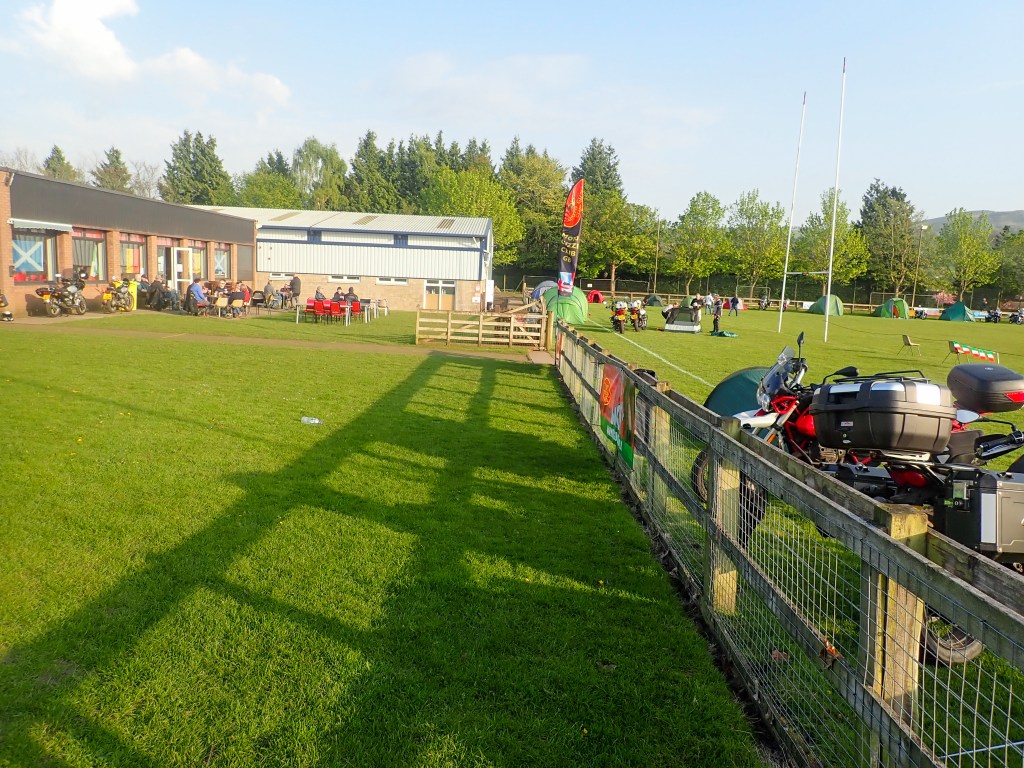
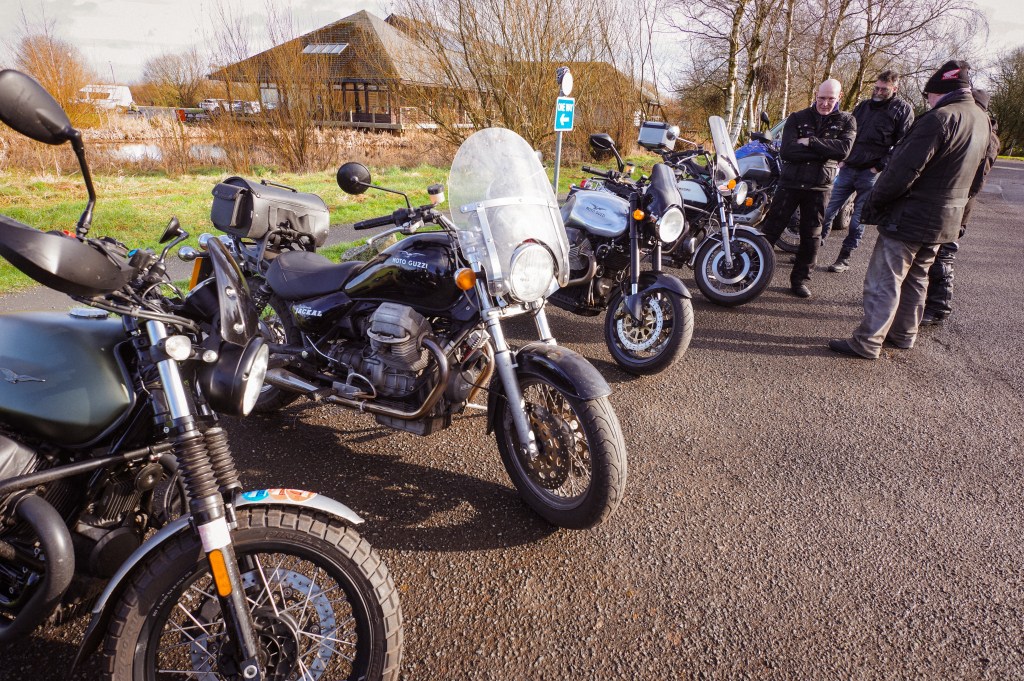
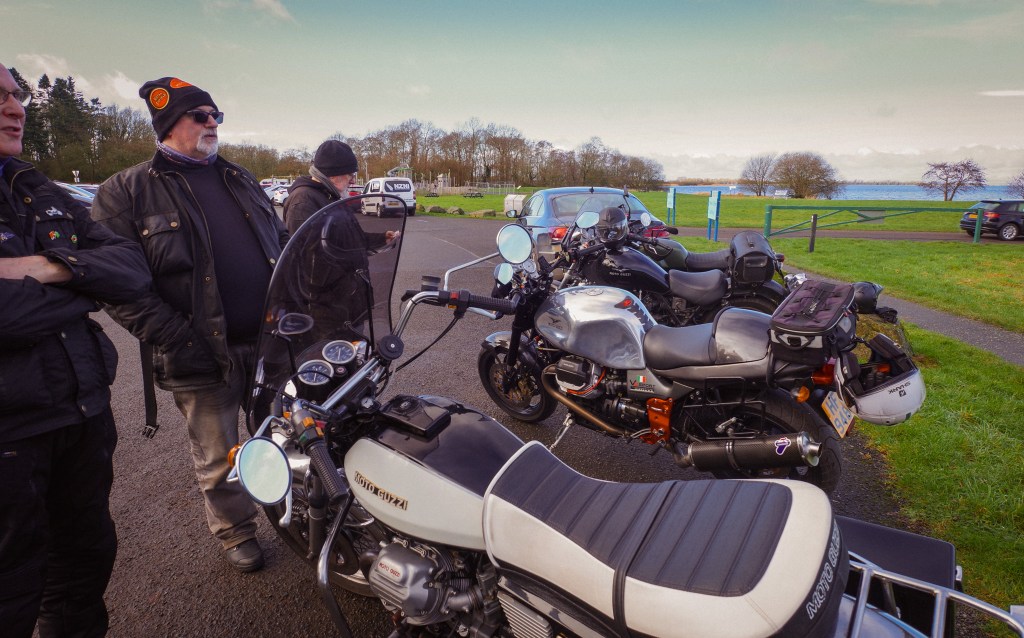
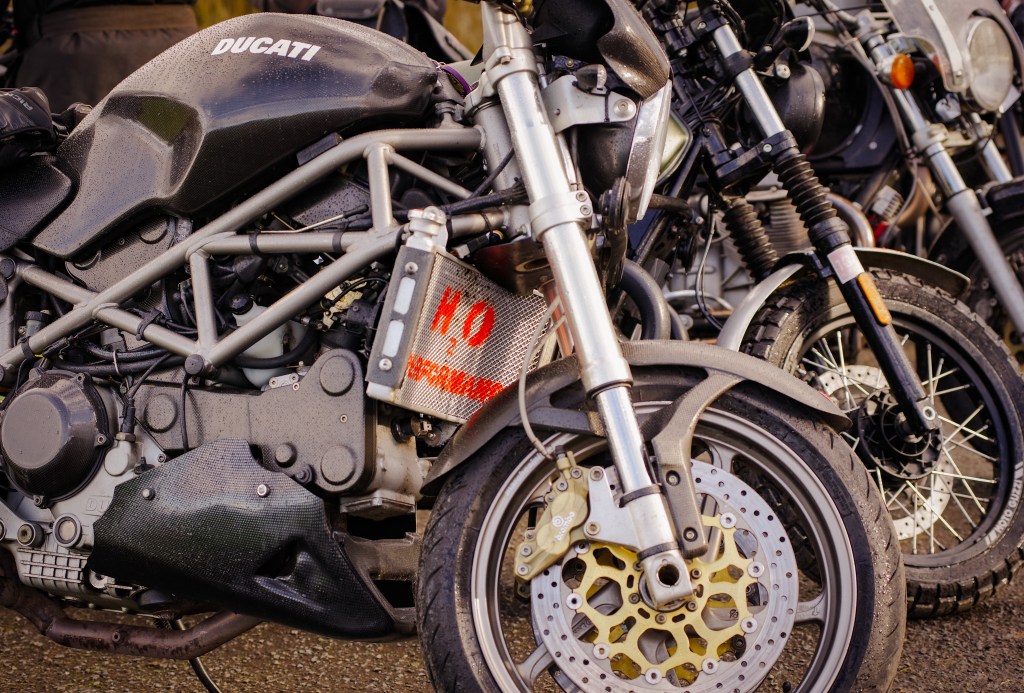
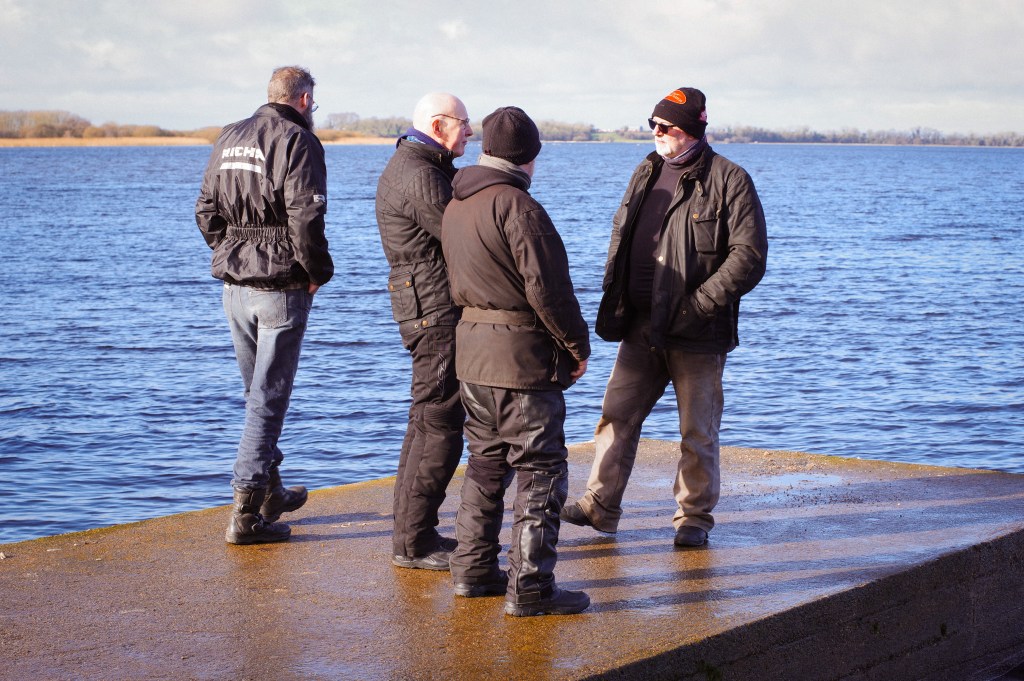
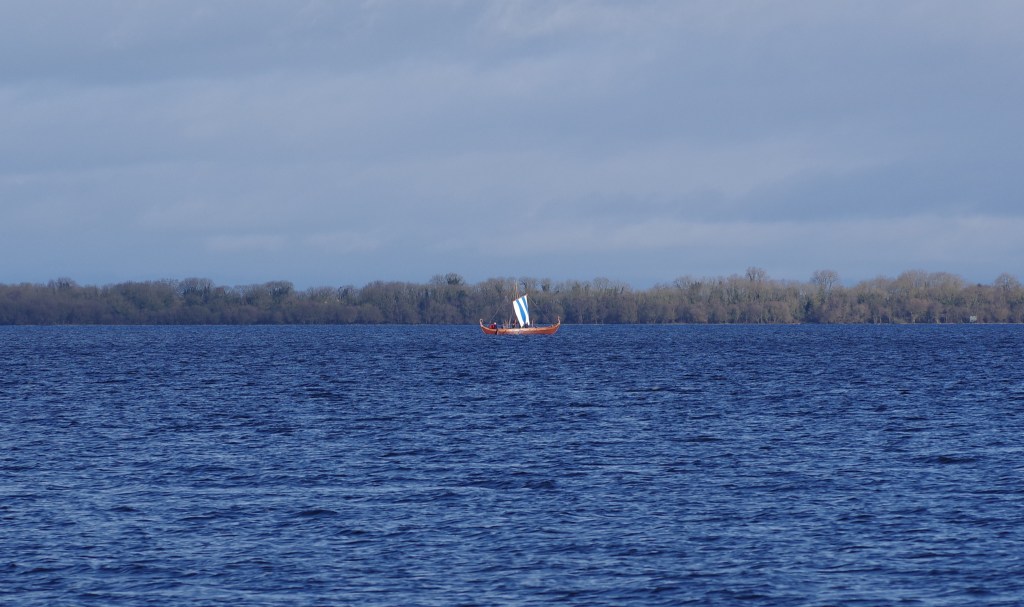
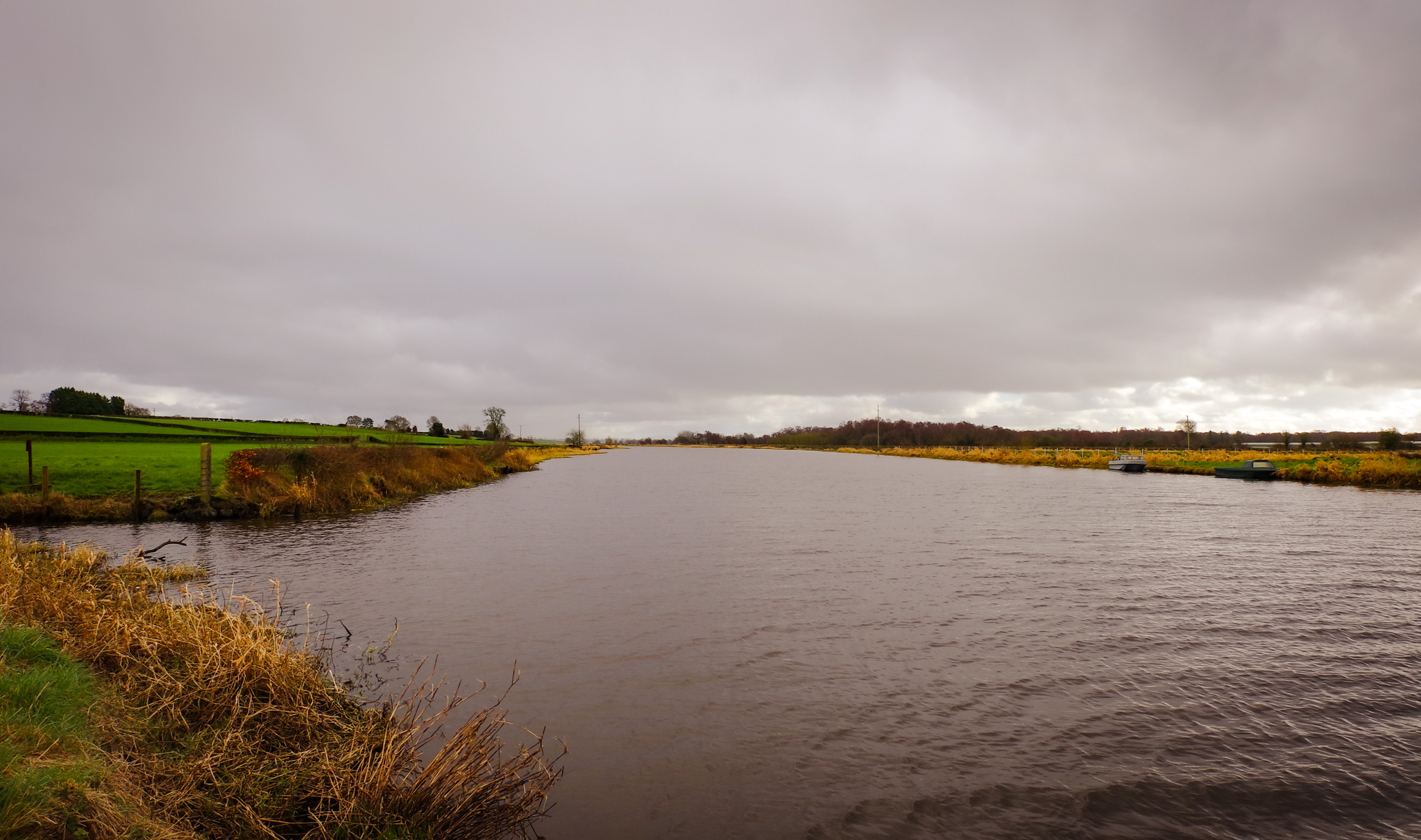
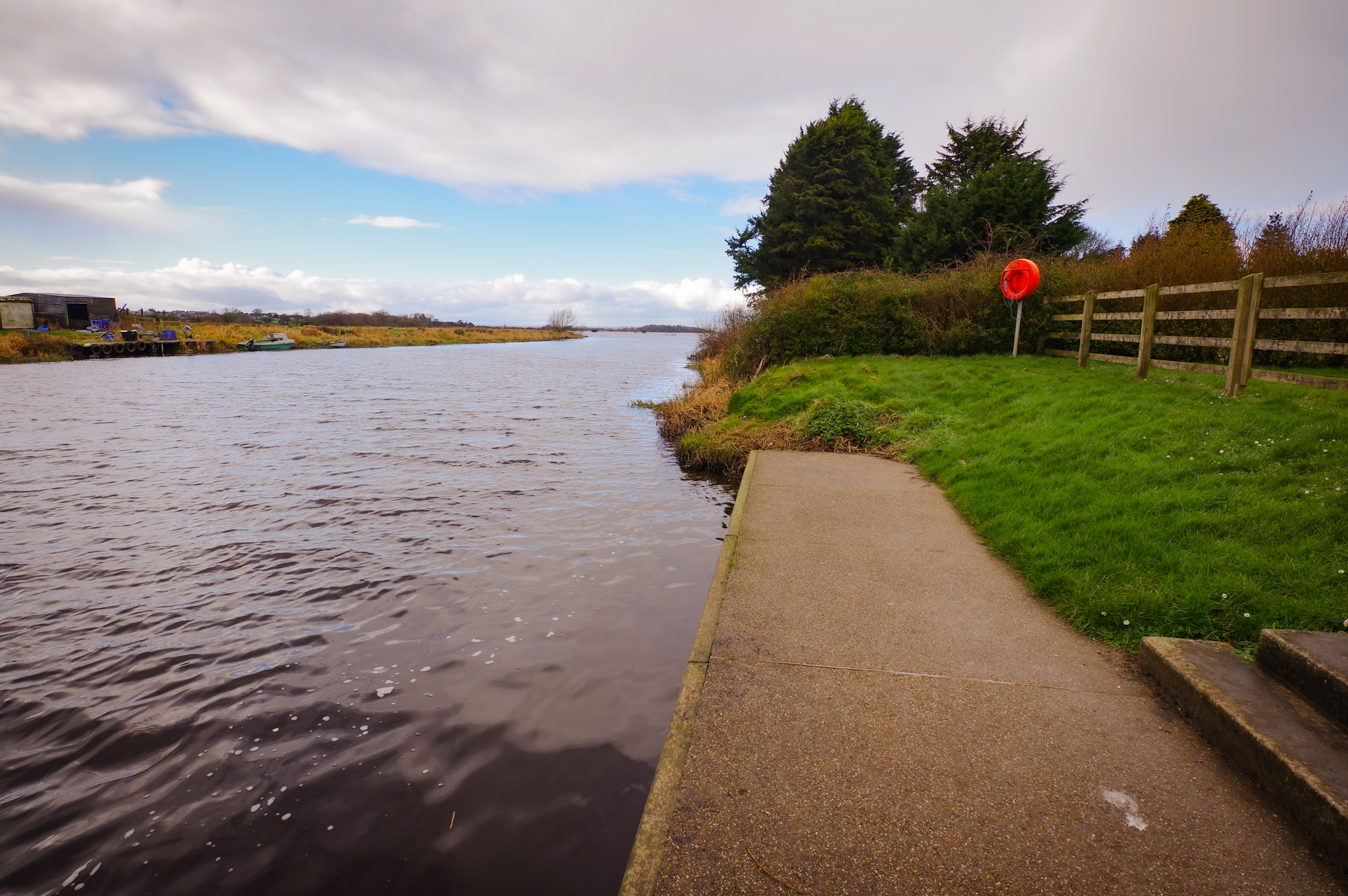
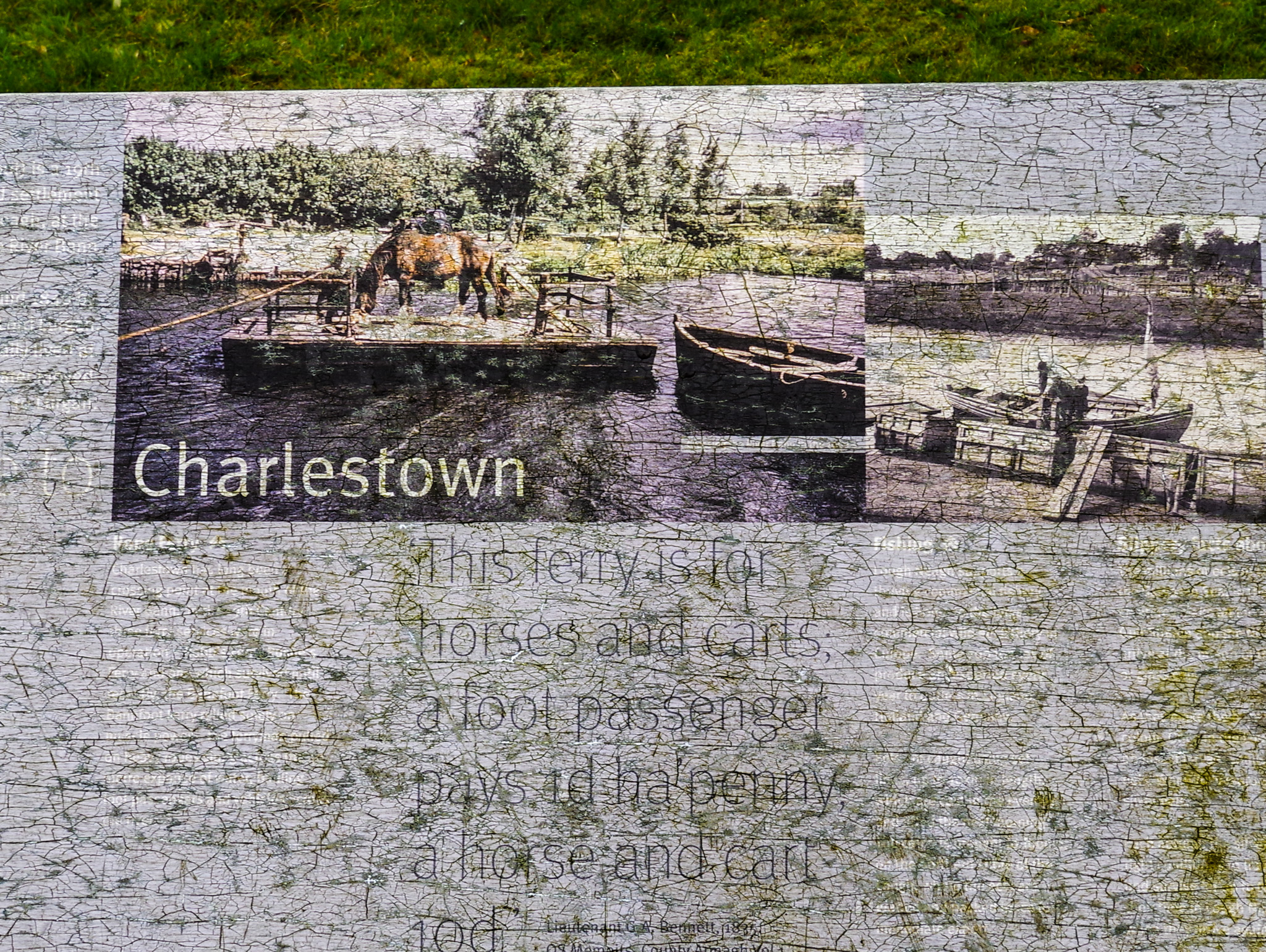
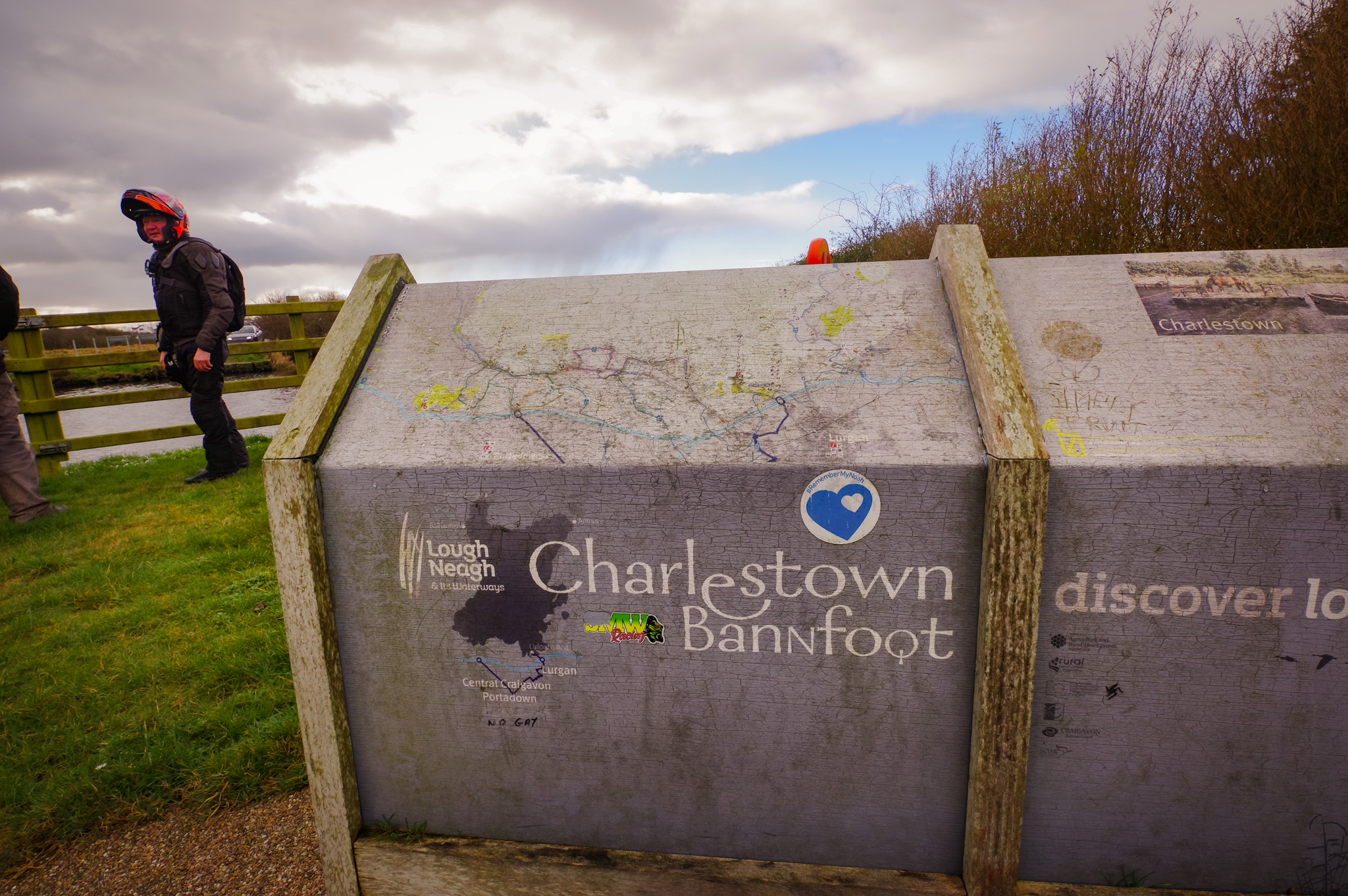
NI meets of Italian Motorcycle Owners (Ireland) began in 2023, first at Lisnaskea / Lough Erne, then Curr Road near Beragh, Omagh. The location for the wintry months of January and February 2024 has been on the south shore of Lough Neagh: meeting 11.30am at Lough Road Park & Ride, off the M1 at Junction 10, then hopping over to Oxford Island on the other side of the motorway to park at the Lough Neagh Discovery Centre by 12 noon. Oxford Island is a fabulous National Nature Reserve – wetlands and woodlands opening to the vast expanse of Lough Neagh. Parking is beside the friendly Discovery Centre café where we’ve warmth, seats, soup, scones… and coffee of course. It’s a fairly handy location for County Down folk in the winter season, though not so handy for the Donegal or North Coast bikes. It was great though to see Roger down from Ballyclare, Antrim, on his Guzzi Bellagio and Monster Pat up from south of Monaghan, on his, erm… Monster. After contemplating Viking invasion by water from a northernly direction, then a leisurely feed of grub, we took a short ride west along the lough shore to Charlestown and Bannfoot, where there was once a rope-pulled ferry to cross the River Bann with your horse and cart.

Location of March meet (2nd Sunday is 10th March) is to be decided. While it’s a good thing to have a consistent meeting place, there can be a few variations at times, to better suit people across the top end of the island and to give variety of rides. Beragh and Lisnaskea both worked well in 2023 and I’m sure we’ll go back to those. Sort of south-central, I fancy trying Aughnacloy and then a further ride into the area of Monaghan that pokes up into NI. Another month could be up North Antrim / North Coast direction. If you have suggestions, send them through the Contact Form or email belfastguzzi@gmail.com